
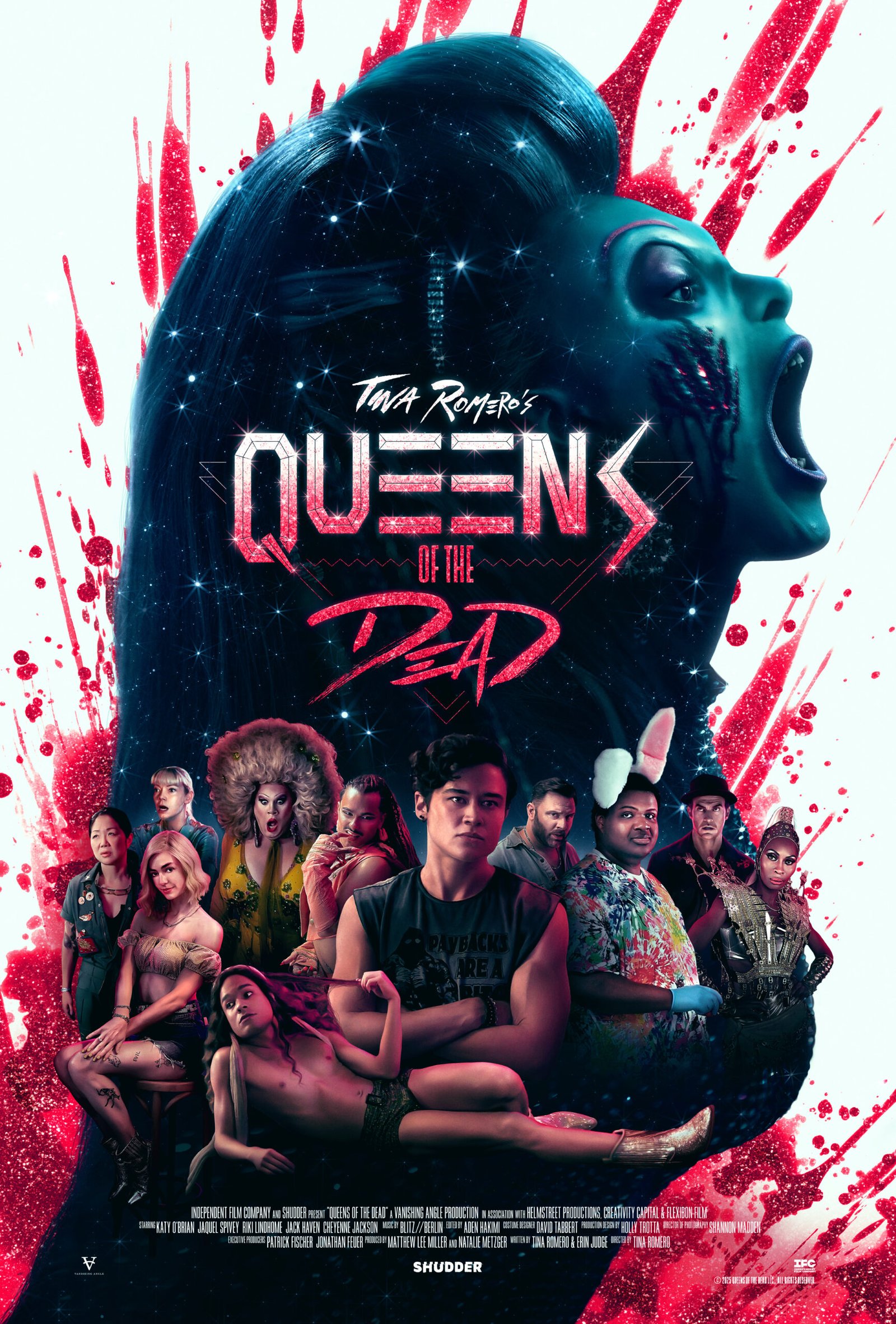
Tina Romero’s campy new zombie comedy film is a love letter to the queer community.
It’s a raucous celebration of drag queens, and resilient queers kicking ass through the apocalypse. It’s also a searing indictment of the forces tearing us apart.
Romero grew up in the shadow of horror cinema royalty. Her father, George A. Romero, arguably invented the modern-day zombie genre, and used films as social commentary.
Now, she’s bringing that legacy into a queer and decidedly colourful space.
The film casts queer nightlife icons against the undead during the apocalypse. Romero drew inspiration from years spent DJing in New York City’s queer nightlife scene, where she met the most creative and resilient people in the city.
“I wanted to see what happened when these magical, colorful humans went through something as insane as the zombie apocalypse,” Romero said. “And I wanted to see them kick ass.”
Balancing camp humour with genuine horror and emotional stakes fell to the cast. Romero emphasized their investment in the project, with each performer bringing authenticity to the comedic and dramatic moments. Finding space for improvisation became crucial to the short, single-camera shoot.
Co-writer Erin Judge shaped the film’s comedic rhythm through sharp dialogue. Romero credited Judge as a comedic genius whose verbal prowess elevated the entire script. Judge’s witty lines and character-driven writing became quotable moments that will linger long after the credits roll.
“Every single one of them [characters] is committed to the fantasy all the way,” Romero said. “[Judge] is so good with words, and has a knack for getting character across through dialogue in a way that’s entertaining, not expository.”
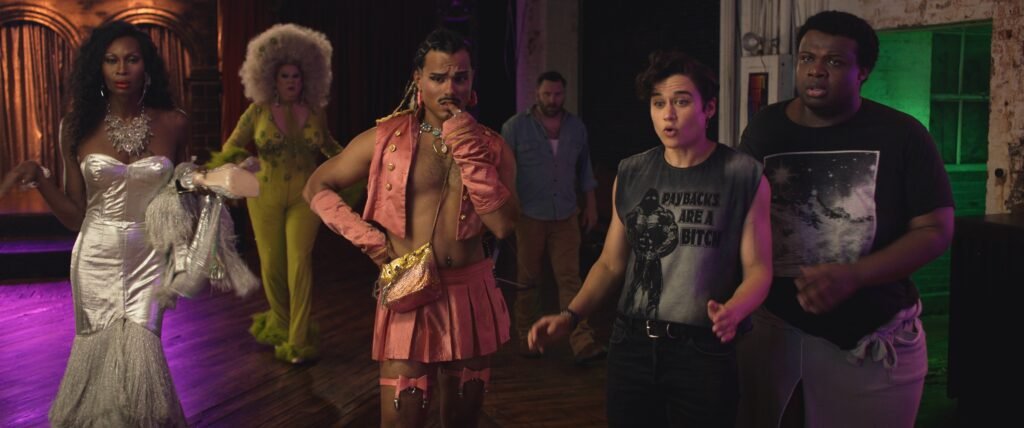
Zombie Horror Comedy Film: Prop Design and Political Themes
The production crafts horror with a shoestring budget, turning everyday objects into weapons. Including stilettos. Hodson and her wife transformed their living room into a fabrication shop, working all night after long-shoot days to make these weapons happen.
These makeshift armaments represent the film’s “make it work” ethos. Stunt coordinator Drew Leary guided the production through all the action and fight choreography, helping the team create something spectacular despite budget constraints.
Beyond the visual spectacle, the film addresses contemporary social issues through a queer lens. Romero and Judge identified multiple systemic pressures that contribute to societal fracture.
The script examines device addiction, information overload, algorithm-driven divisions, opioid crises, corporate exploitation, and intergenerational rifts within queer communities.
Like her father, Romero avoided providing scientific explanations for zombie origins. Instead, the film explores collective darkness and social fractures. Romero and Judge sat down to map out these themes intentionally, knowing they had to address serious issues in addition to having a campy good time.
“We asked ourselves what is contributing to that collective hole right now,” Romero said. “At the top of our list was phones. Device addiction, too much information in a crisis, algorithms that drive wedges between friends and family.”
A Zombie Comedy Horror made for and by the Queer Community
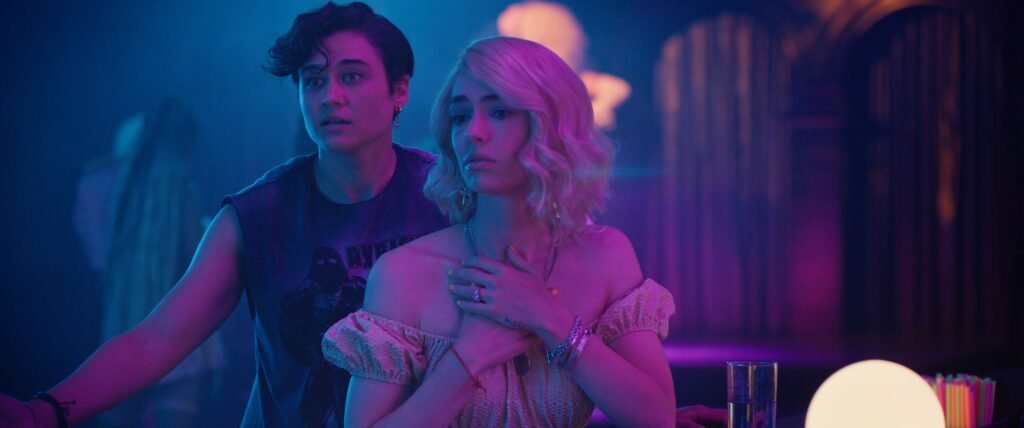
Romero and a predominantly queer crew worked together against significant odds to bring the film to life. The behind-the-scenes story mirrored the narrative on screen, queers coming together to accomplish something extraordinary.
“The story…was also one of queers banding together to get shit done,” Romero said. “By far, the most rewarding aspect of this work is collaborating with queer visionaries. It’s amazing how powerful we are together.”
The film spotlights marginalized figures facing an existential threat in 2025 America. Romero wanted to uplift those communities through joy & laughter. This celebration becomes especially vital for audiences who rarely see themselves reflected as heroes on screen.
“The characters centred in this story represent those who are under attack and threat of erasure,” Romero said.
“It feels more important than ever to celebrate them.”
While distinctly a film for and about the queer community, Romero believes it offers something universal. She hopes the project brings people joy and a sense of hope in a time that feels bleak and divided. The zombie apocalypse, like any vibe shift, breeds strange alliances, tests bonds among individuals and tribes, and exposes menaces that have been lurking in plain sight all along.
“I truly believe we’ve created a party that everyone is invited to,” Romero said.
Queens of the Dead is now streaming on Shudder.