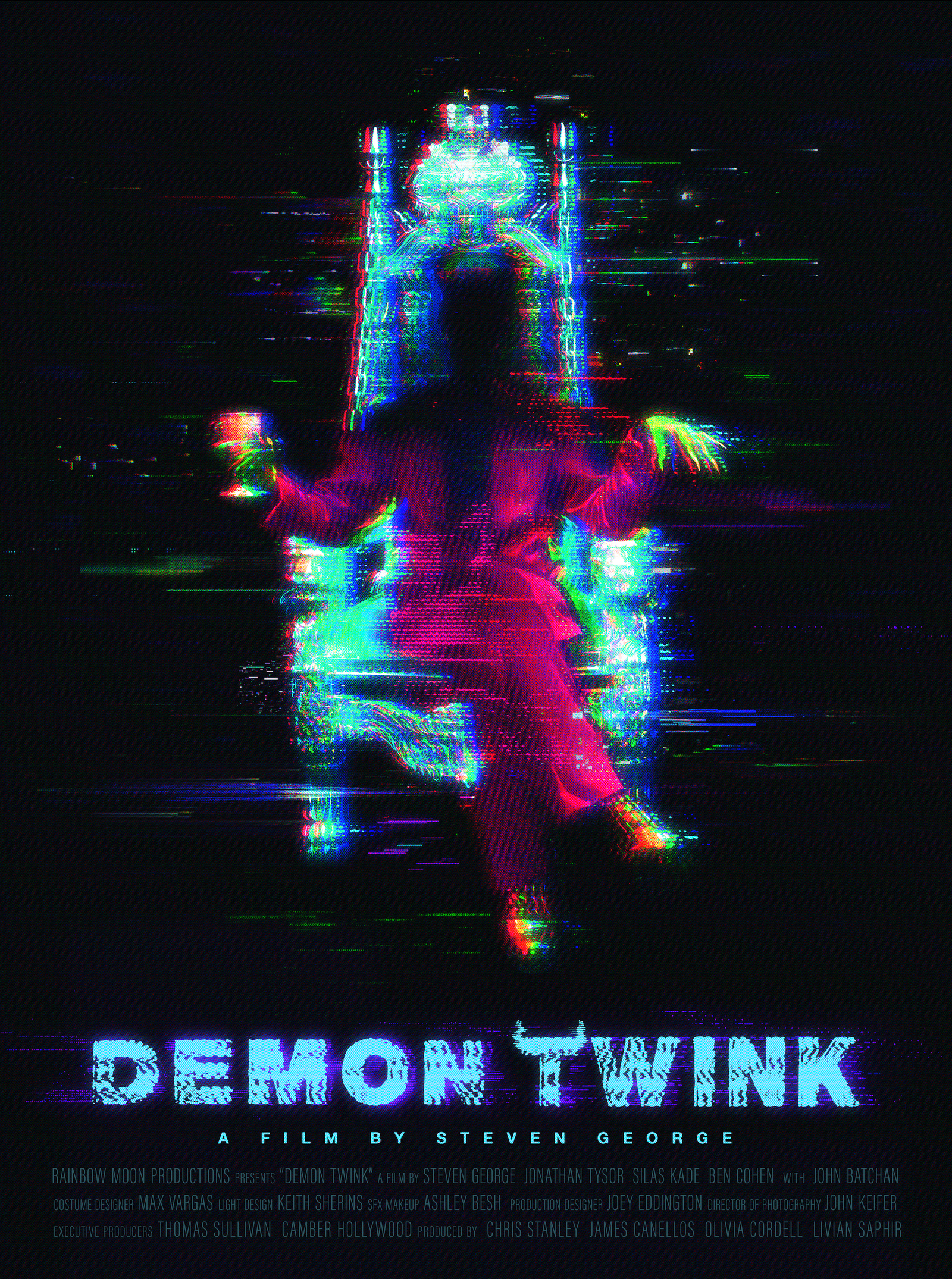
A lonely gay man strikes a Faustian bargain with a demon: eternal youth in exchange for other people’s lives.
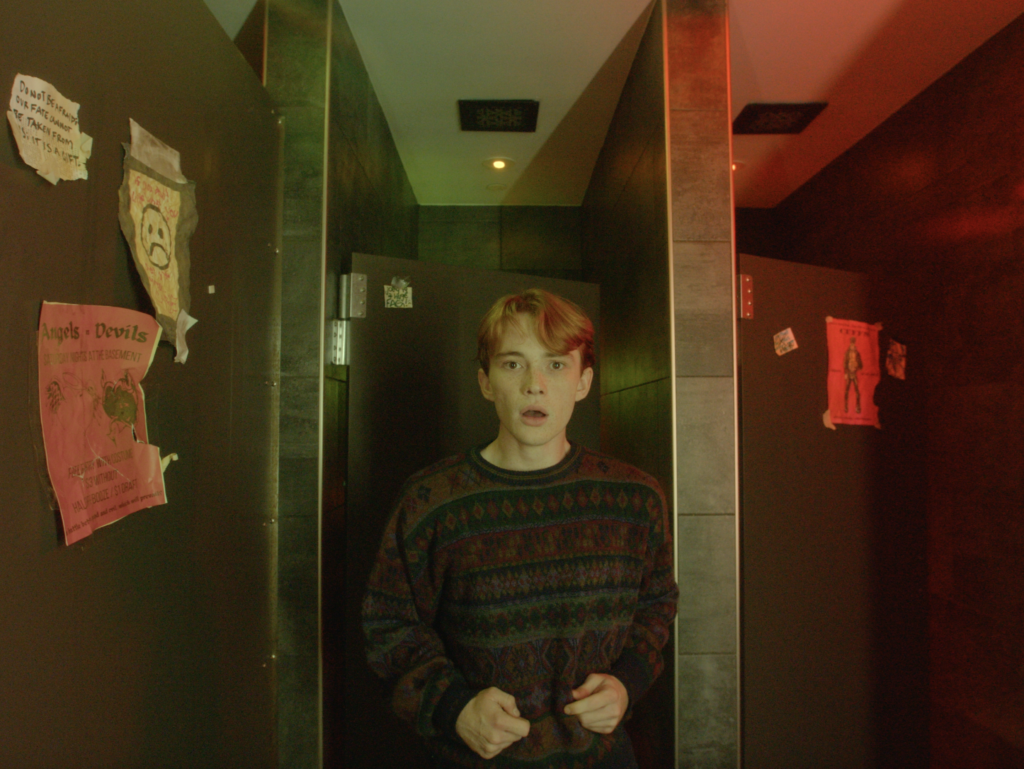
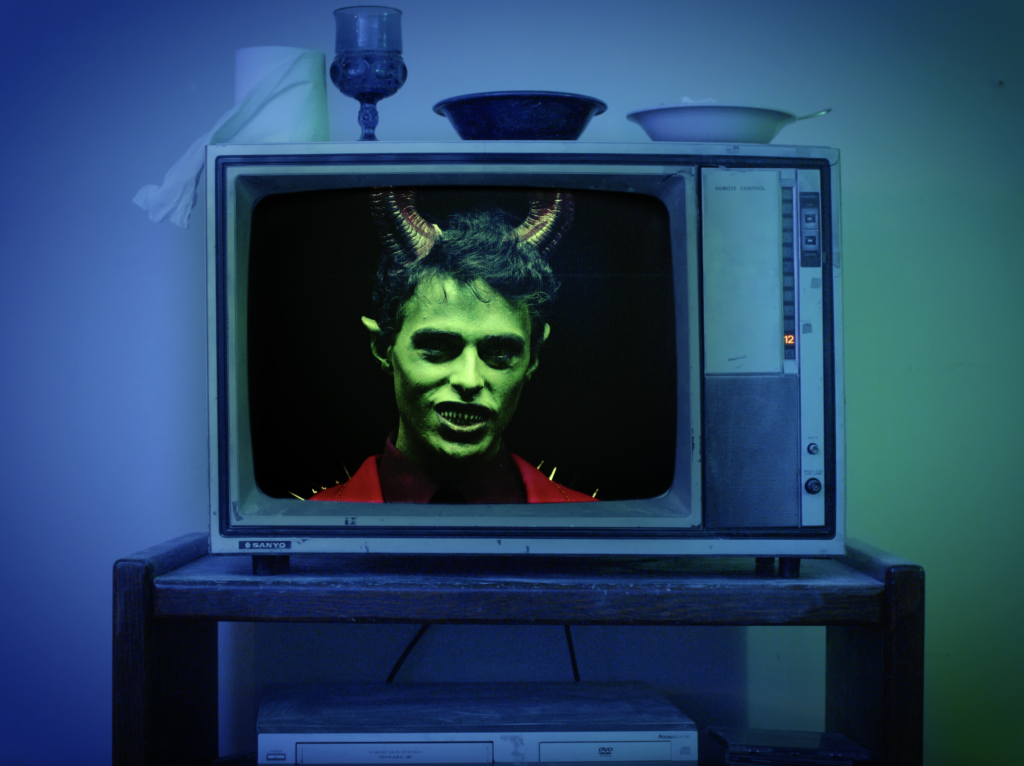
That is the deal at the heart of Demon Twink, a 25-minute queer horror short written and directed by Steven George. The film follows Dante, a lonely, middle-aged gay man who came out later in life and feels he missed his youth. One night, laughter echoing from a nightclub glory hole pulls him into a demon’s lair. The demon grants his wish for eternal youth and beauty. The catch? Every full moon, Dante must kill one of his hookups.
The short also serves as a proof of concept for a feature film. Beneath the camp, it asks a pointed question. What does a culture obsessed with youth, beauty and sex cost the people living inside it? Research on gay men, body image and aging suggests the question is a real one.
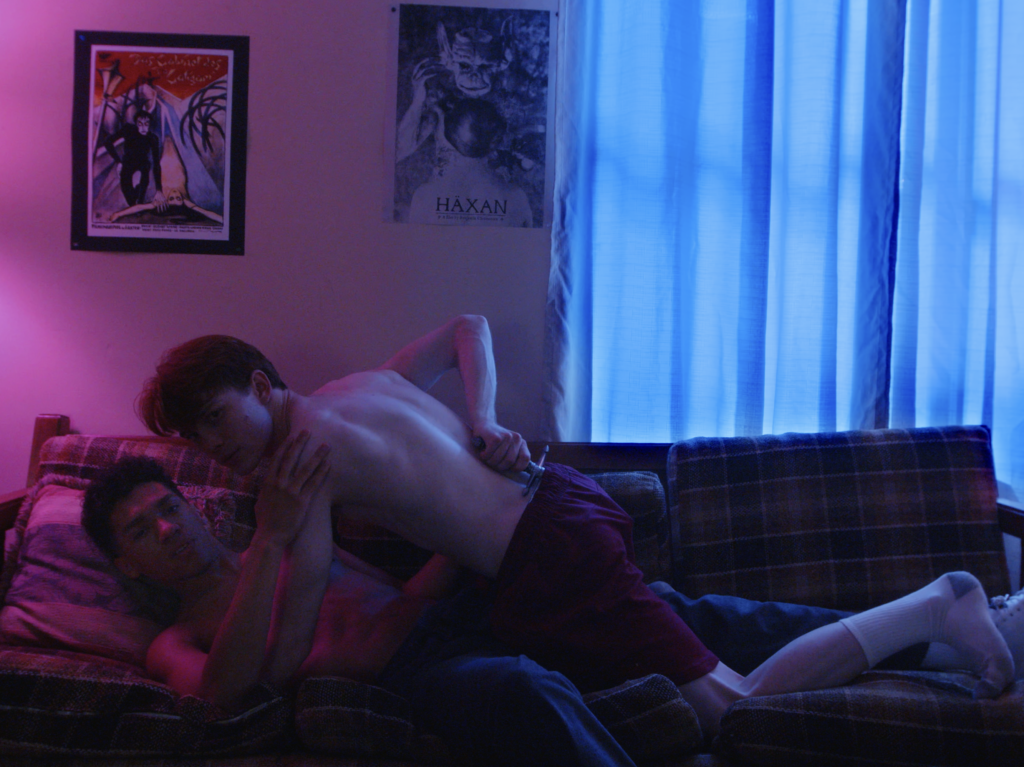
Table of Contents
Why Demon Twink Makes Aging the Monster
George picked eternal youth because he sees a fear of aging running through gay life. He wanted to tell that story from a gay man’s perspective, in a world made up entirely of gay people. Gay men put heavy pressure on themselves to stay young, hot and desirable, he said. “Once we hit a certain age, we feel we become invisible,” he added. So much self-worth rides on appearance that youth felt like the obvious central theme.
The Real Horror Is Letting Insecurity Rule You
The demon is only the delivery system. George said the film’s true fear is insecurity taking over a life. “You care so much what others think that you become a vessel for other people’s validation, a shell of yourself devoid of your own soul,” he said. Lying to the world before coming out is one form of it, he said.
Loneliness runs underneath. George said Dante lets his insecurities push him to harm others for a taste of connection. That connection fades fast and leaves him as lonely as before.
How Gay Culture Puts Youth on a Pedestal
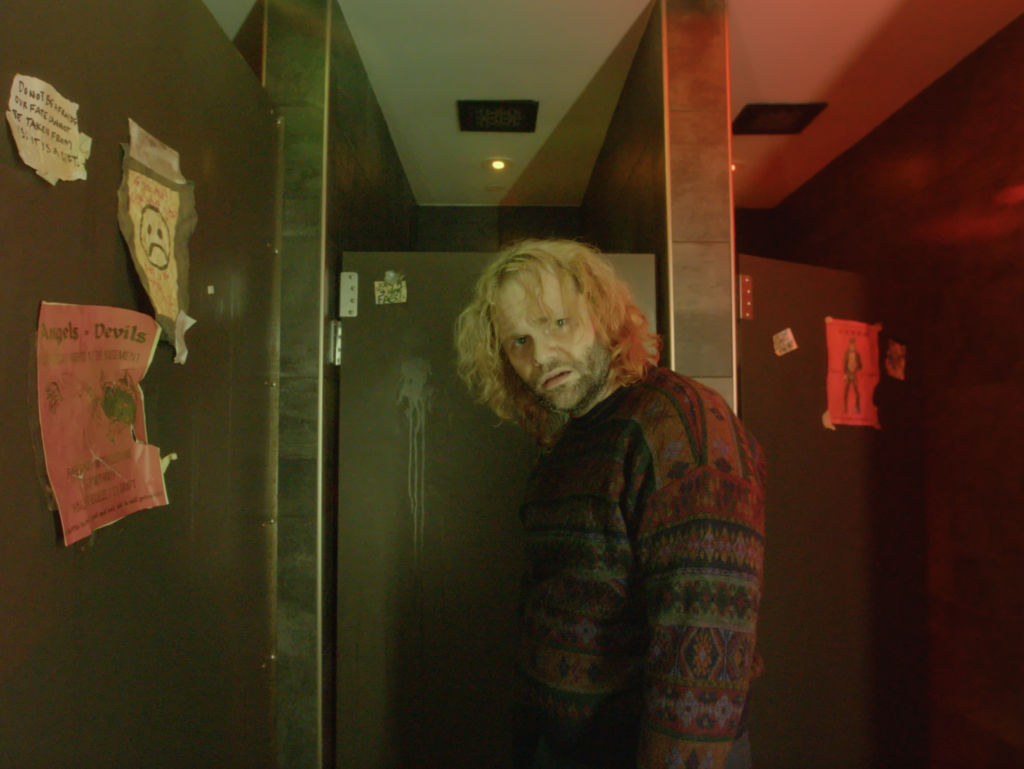
George said gay men are far freer sexually than straight people, which makes hookup culture feel normal. Many learned to chase connection and validation through sex, he said, and fell into a trap. Looks became the measure of desirability. That pushed youth and beauty onto a pedestal.
The logic explains why the demon’s deal centres on an anonymous hookup. George said it mirrors how gay men interact. He called that freedom a double-edged sword. Gay men can express themselves more openly, but they can also take it too far. “The culture this created has us collecting sexual experiences with each other like playing cards, never going deeper under the surface,” he said.
He traces the habit back to the closet. Before coming out, gay men feared being judged by the people they loved. So they watched how they looked and acted at all times. George called that survival. The habit stuck after they came out. Youth looks attractive, he said, and people who want to be liked start to judge their worth by appearance. Chasing youth keeps the validation coming.
He does not see the pressure as unique to gay men. George said society as a whole leans harder on youth than it used to. His boomer parents grew up believing in a good job and a family. Younger generations had much of that future stolen, he said, so the goal shifted to consuming, numbing out and enjoying life. All of those pursuits link to youth. People dress younger, and fewer chase the nuclear family. Everyone feels the same pressure, he said, in slightly different ways.
Aging is not the only burden. George named the pressure to be sexual and the pressure to party. “I’m more vanilla and have definitely felt the pressure to be more promiscuous than I am, because it’s ‘cool’ or whatever,” he said. Some people see that scene as the peak of gay life, he added. It is valid for those who want it. But it’s not for everyone.
The Research Behind Demon Twink’s Pressure to Look Young
George’s account lines up with a body of research, though the findings come with limits.
A 2023 Italian study in Sexuality Research & Social Policy looked closer. Researchers at the University of Perugia and Sapienza University of Rome found gay men scored higher than heterosexual men on body uneasiness. The widest gaps appeared in self-criticism, including feelings of inadequacy and self-dislike.
Desire shows a similar pull toward youth. Researchers at Northumbria University analyzed 996 online dating ads from the United Kingdom for a 2015 study in Personal Relationships. Gay men, like heterosexual men, sought younger partners as they got older. Gay men and lesbians also accepted a wider range of ages than heterosexual men and women. The pull toward youth reaches well beyond gay culture, as George suggested.
Related Articles
The Top 10 Most Scary Queer Horror Movies
Queens of the Dead: How a Zombie Comedy Film Reclaims Horror’s Legacy
The queer slasher: how one filmmaker is rewriting horror’s rules from the inside
Aging, Invisibility and Loneliness Among Gay Men
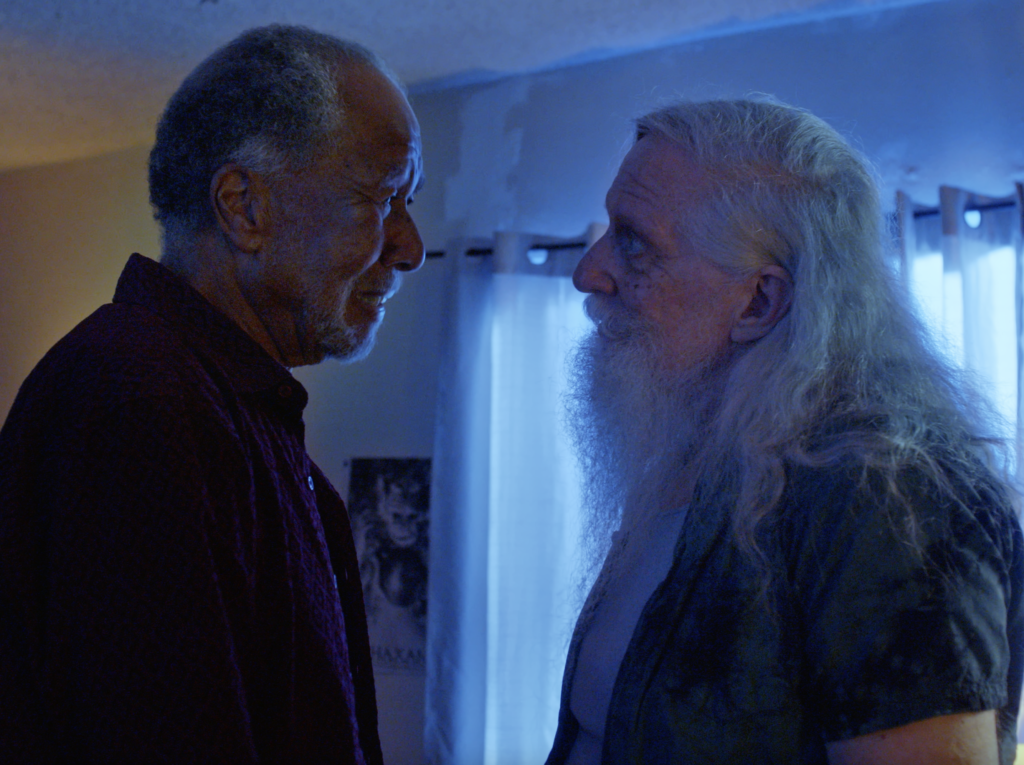
George said gay men feel invisible past a certain age. Researchers have documented a version of that feeling. A 2015 report from the Williams Institute at UCLA found midlife and older gay men face a distinct risk. They may feel socially invisible and devalued. The report also linked internalized “gay ageism” to more depressive symptoms.
A 2014 study in the Journal of Language and Social Psychology went further. A communications researcher at the University of Texas at San Antonio interviewed 40 middle-aged gay men about growing older. Almost all of those entering midlife denied it. One 47-year-old said he still thought of himself as being in his 30s.
The researcher suggested gay men may fear aging more than others. One reason, he said, is that they have fewer life landmarks, such as children, to mark the passing years. The men who settled into middle age changed their focus. They put accomplishments ahead of looks, and some embraced labels such as “old queen.”
Loneliness follows many of them later. A 2022 study in Ageing and Society interviewed 72 men aged 65 to 95 in England. Cardiff University researchers found older gay men described ageism inside gay social settings. They also described loneliness deepened by life in a heteronormative world.
A Fully Queer World With No Outsiders
George set the story entirely among queer characters because he rarely sees that on screen. Usually, he said, a queer character exists to make queer viewers feel represented, and the storyline stays on the surface. Those plots tend to repeat: unrequited love, fear of coming out, discrimination.
And while all those plots are very much real for many gay men, a fully queer world frees the film to look inward. It can explore subtler struggles within the community. In horror, George said, those fears carry both dramatic and emotional weight. A good story stands on its own, he added, because people connect with the human experience above all.
Related Articles
Queer Horror: Moving Beyond The Genre Stereotype
Queer and Trans Horror Reclaims Fear on Screen
High heels, monsters & misfits: why queerness and campy horror are a perfect match
Camp, Comedy and the Line Between Laughing and Indicting
George wanted the film to be funny. He said humour and horror have long let storytellers approach uncomfortable subjects. For a film that calls itself queer horror, he added, camp belongs too. “Humour is just a physical reaction to feeling uncomfortable,” he said.
Dante’s rock bottom draws laughs. His journey also exposes some unflattering parts of gay life. “I hope people laugh, because telling the truth can be uncomfortable,” George said. The message matters most, he noted, and it lands by the end.
Does the Ending Offer a Way Out?
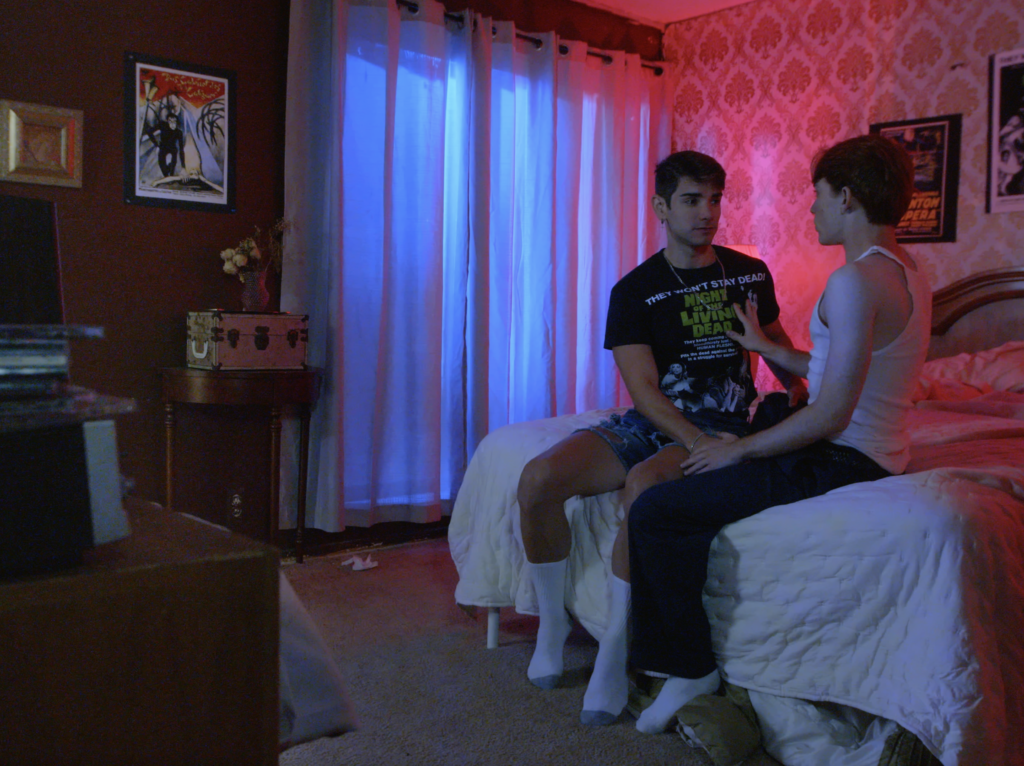
George says yes, though he keeps the details under wraps. He loves happy endings but prefers bittersweet ones. Every story, he said, needs a lesson to take away.
For Demon Twink, that lesson is vulnerability. To find true connection, George added, people have to show their real selves. That openness invites others to do the same. Only then can a real bond form.
How Audiences Have Responded to Demon Twink
The short played the festival circuit before reaching YouTube. Its stops included Queer Screams and the Palm Springs LGBTQ+ Film Festival. It won the Audience Choice Award at Queer Fear Film Festival. The online premiere followed on June 1.
George said packed theatre screenings have been the biggest reward of making the film. Queer viewers of every generation connect with it for different reasons. “Elder gay men feel seen in this film, and baby gays are excited because they’ve never seen anything like this before,” he said.
Audiences laugh, and many cry at the end. George said he set out as a filmmaker wanting to make people cry. “Those are the best cries,” he said.
The response convinced him the story deserves a feature version. That is what he is working on now.
Where to Watch Demon Twink This Halloween
“It’s a love letter to horror in general, since Dante himself is a horror lover in the film,” George said. His love for horror drives the film’s romantic arc. It also symbolizes the film’s main message.
The look borrows from campy old giallo films. The story draws on Faust, which George called one of the first horror films ever made. He gives both a queer twist.
He sees the film as an evolution of the genre and a case for queer horror as a valid subgenre. A cast and crew of mostly queer people and horror lovers made it. George hopes anyone who watches takes something away from it.
The short debuted free on the Rainbow Moon YouTube channel. At 25 minutes, it fits easily into an October watchlist.