
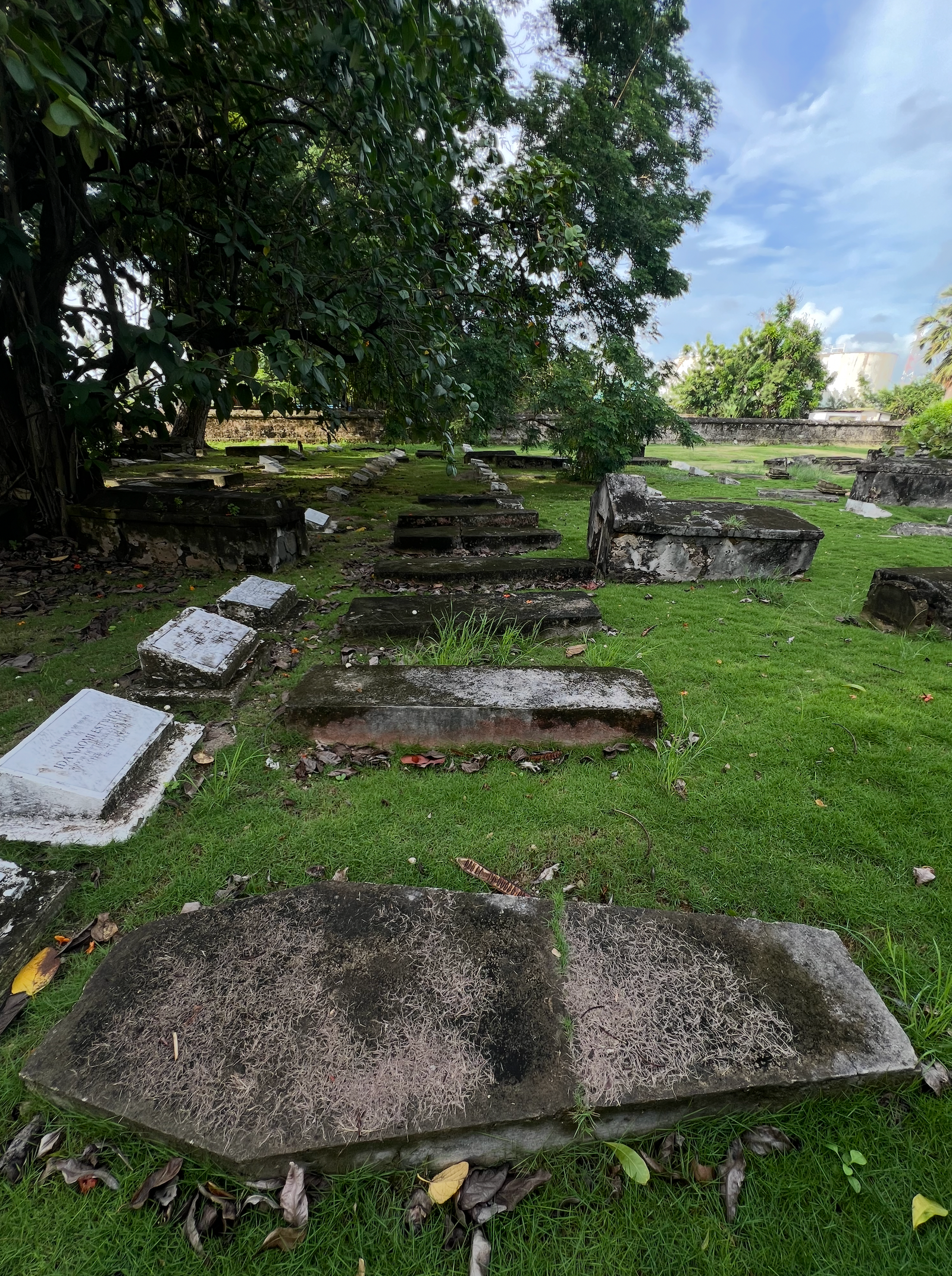
Caribbean folklore is crowded with creatures that walk backward, shed their skin or lure lost children into the bush. These stories crossed the islands with African, Indigenous, European and Indian communities. Each island kept the legends and reshaped them.
This field guide maps the monsters and haunted places that Creepy Current has covered so far. Every section links to a full article for readers who want the whole story.
Table of Contents
What Is Caribbean Folklore?
Caribbean folklore is the body of oral stories, beliefs and warnings that people across the islands have passed down by word of mouth. It covers spirits, shapeshifters, ghosts, tricksters and haunted ground.
The tradition grew from many sources. West and Central African beliefs travelled with enslaved people and shaped ideas about the spirits of the dead. Indigenous peoples such as the Taíno added their own tales of forest beings. European colonists brought Catholic and Protestant ideas of the devil and the damned. Indentured workers from India later introduced their own spirits and customs, especially in Trinidad and Guyana.
The result is a folklore with a shared cast and no single version. The soucouyant of Trinidad becomes the Ole Higue in Guyana. The moongazer appears in Guyanese, Trinidadian and St. Lucian tales. A creature’s name changes from island to island, and so do its habits.
Many stories also carry a practical message. The douen warns children away from the forest edge. The duppy reminds people to respect the dead. Tales of cursed forts and sunken cities preserve the memory of colonial violence.
Caribbean Folklore Creatures by Island
Caribbean folklore creatures vary widely by island. This section groups the Caribbean monsters Creepy Current has covered by the place where their legends run strongest.
Haiti: Baron Samedi
Baron Samedi is the Haitian Vodou lwa of death and the cemetery. He leads the Gede family of spirits. Artists often picture him in a top hat and black coat, with a skull-painted face. Offerings to him often include rum and tobacco.
Baron Samedi: Who the Haitian Lwa of the Dead Really Is
Jamaica: Duppies and an Outlaw
In Jamaican folklore, a duppy is the restless spirit of a dead person. The rolling calf, often described as a fiery-eyed beast dragging a chain, ranks among the best-known duppies.
Duppy: Jamaica’s Restless Spirits and the Legends Behind Them
Jamaica also tells the story of a human legend. Jack Mansong, known as Three Finger Jack, raided travellers around 1780 and became a folk figure.
Three Finger Jack: The Outlaw Jamaica Still Talks About
Dominican Republic: La Ciguapa and El Tapao
La Ciguapa is a woman with long hair and backward feet, so anyone tracking her follows the trail in the wrong direction. Legend says she lures men into the mountains. El Tapao, a faceless man, is said to haunt Colonial Santo Domingo.
La Ciguapa: The Dominican Legend of the Woman With Backward Feet
Guyana and Trinidad: The Caribbean Vampire
The soucouyant is an old woman who sheds her skin at night, travels as a ball of fire and drinks the blood of sleepers. Guyanese tradition names a similar figure the Ole Higue. Folk remedies include scattering rice or salt, because the creature is said to feel compelled to count every grain.
Soucouyant and Ole Higue: The Caribbean’s Skin-Shedding Vampire
St. Lucia and Beyond: The Ti Bolom
The Ti Bolom, also called the bolom, is a child-sized spirit that tellers often link to the Devil. Its name comes from a Creole phrase that means little man. St. Lucians know many versions, and similar tales appear across the southern Caribbean.
Ti Bolom: The Little Man of Caribbean Folklore
Trinidad Folklore and Its Spirits
Trinidad folklore ranks among the richest in the region, with spirits tied to forests, rivers and lonely roads. Many of these beings are called jumbies, the local word for a spirit.
The douen is the spirit of an unbaptized child. It has no face, its feet point backward and it wears a wide-brimmed hat. It calls to children to draw them into the forest.
The moongazer is a spirit linked to moonlit nights. Trinidad, Guyana and St. Lucia all claim it. The baccoo is a small creature kept in a bottle by its owner. Guyanese lore says it brings wealth but demands to be fed.
Two other figures round out the cast. Papa Bois is the horned guardian of the forest. La Diablesse is a beautiful woman with one cloven hoof who lures men to their deaths.
Jumbie: A Guide to the Spirits of Caribbean Folklore
Haunted Places Across the Caribbean
Caribbean folklore does not stop at creatures. Forts, tunnels, lighthouses and sunken cities also carry their own ghost stories.
Port Royal, Jamaica
An earthquake in 1692 sank much of Port Royal, once a notorious pirate port. Local legend says the drowned city still keeps its dead.
Port Royal Earthquake of 1692: How a Pirate City Sank
Great Isaac Lighthouse, Bahamas
The story holds that the keeper of this lighthouse vanished in 1969. No trace of him was found, and the abandoned tower has attracted ghost hunters ever since.
Brimstone Hill Fortress, St. Kitts
British forces built this hilltop fortress in the 18th century. Visitors and guides report ghostly activity among its ramparts.
Chase Vault, Barbados
The Chase Vault in Christ Church is famous for a legend that its coffins shifted on their own in the early 1800s. Barbadians still debate the cause.
Trinidad’s Haunted Sites
Trinidad has its own cluster of haunted places. They include Fort George in Port of Spain, the abandoned lazaretto on Chacachacare Island, Stollmeyer’s Castle in Port of Spain and Knolly’s Tunnel near Tabaquite.
Haunted Places in Trinidad: Fort George, Chacachacare and Beyond
Common Threads in Caribbean Folklore
Stories from different islands share recurring ideas. Spotting them shows how the folklore fits together.
Counting is one thread. Rice or sand at the door stops the soucouyant and some jumbies, because they feel compelled to count every grain. Jamaican tradition holds that duppies can count only to nine.
Backward feet are another. La Ciguapa of the Dominican Republic and Trinidad’s douen both leave tracks that point the wrong way.
Child spirits form a third thread. The douen, the Ti Bolom and the baccoo all connect to children, though each story handles the idea differently.
Shape-shifting women form a fourth. The soucouyant sheds her skin, and La Diablesse hides a cloven hoof beneath a long dress.
Caribbean Folklore and Living Religion
Some figures in this guide belong to living religions. Baron Samedi is a lwa in Haitian Vodou, which Haiti recognizes as an official religion. Obeah, which the Ti Bolom legend often touches, was a crime in Trinidad until 2000. Colonial courts and writers cast African-derived practices as dark magic.
Readers should treat the monsters in this guide as folklore. They should treat the religions behind some of them with respect.
Folklore and Fact
Several legends in this guide connect to documented history. The Port Royal earthquake of June 7, 1692, sank about two thirds of a pirate city. Jack Mansong, the outlaw called Three Finger Jack, was hunted down in 1781. A fort in Port of Spain, a convent on Chacachacare and a railway tunnel near Tabaquite all have recorded histories.
Belief can also touch real lives. Our soucouyant guide covers a fatal 2007 attack on a woman in a Guyanese village, and it treats the case with care.
Common Questions About Caribbean Folklore
What is the most famous Caribbean monster?
Many readers point to the soucouyant, the Caribbean vampire, because versions of the legend appear on many islands. The duppy and La Ciguapa also draw heavy interest.
What is a jumbie?
A jumbie is a spirit. The word covers ghosts, demons and forest beings, from the faceless douen to the moongazer.
Is Caribbean folklore the same on every island?
Many creatures cross islands under different names. The soucouyant becomes the Ole Higue in Guyana. Details shift with each teller.
Where does Caribbean folklore come from?
It blends African, Indigenous, European and Indian traditions.
Where to Start With Caribbean Folklore
New readers can begin with the soucouyant, since versions of the legend appear on many islands. Readers drawn to the dead can try Baron Samedi or the duppy. Those who prefer a real location can start with Port Royal.
Related Articles
Baron Samedi: Who the Haitian Lwa of the Dead Really Is
Duppy: Jamaica’s Restless Spirits and the Legends Behind Them
La Ciguapa: The Dominican Legend of the Woman With Backward Feet
Soucouyant and Ole Higue: The Caribbean’s Skin-Shedding Vampire
Three Finger Jack: The Outlaw Jamaica Still Talks About
Jumbie: A Guide to the Spirits of Caribbean Folklore
The Port Royal Earthquake of 1692: How a Pirate City Sank
Ti Bolom: The Little Man of Caribbean Folklore
Haunted Places in Trinidad: Fort George, Chacachacare and Beyond


1 Comment
Three Finger Jack: The Outlaw Jamaica Still Talks About - Your source for all things horror
October 12, 2026[…] This guide separates the historical record from the folklore around Three Finger Jack. His story belongs to the wider tradition of Caribbean folklore. […]