
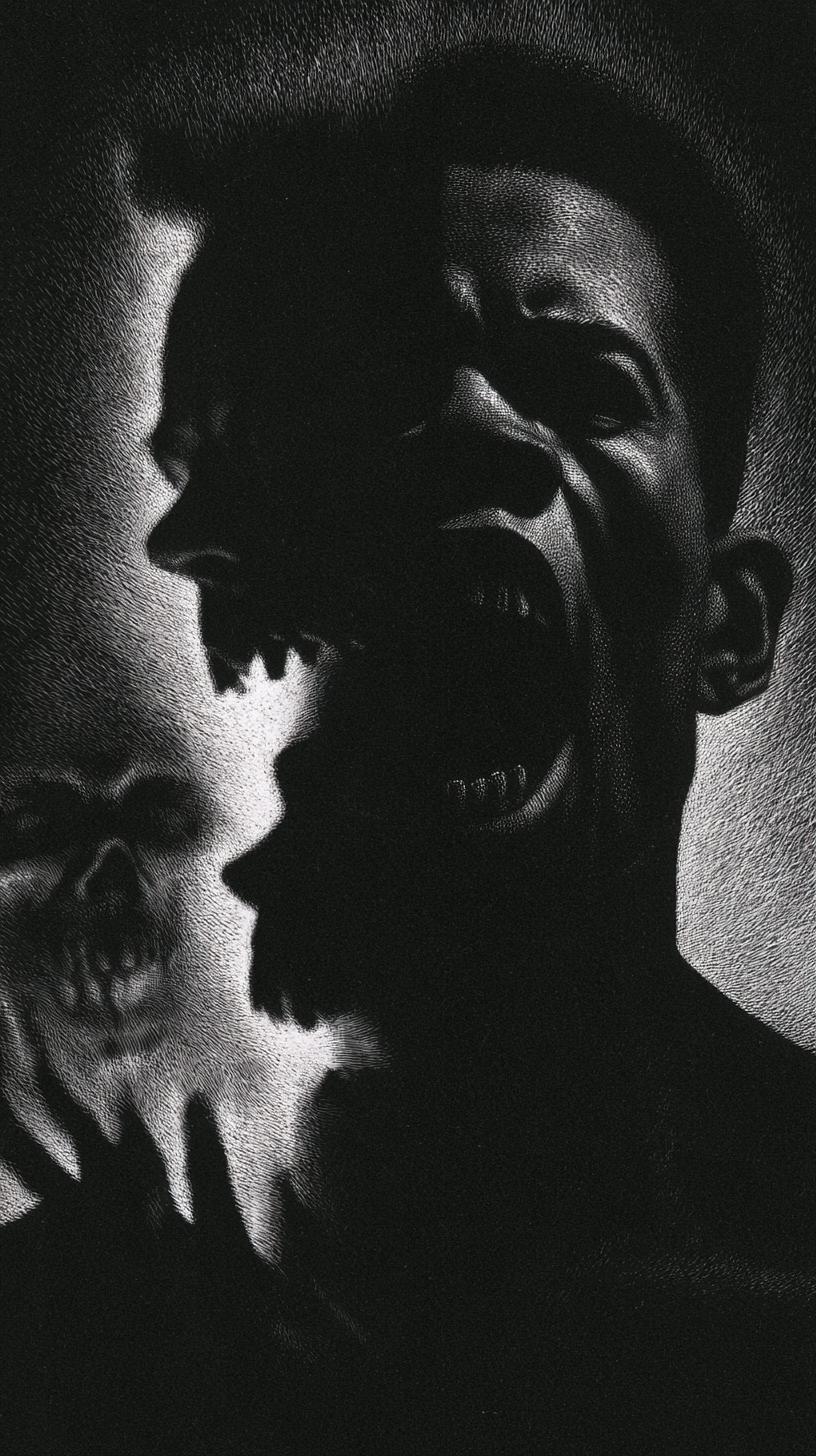
A duppy is the restless spirit of a dead person in Jamaican folklore. The word has spread across the Caribbean, but Jamaica claims the richest stories about it. Duppies hide under cotton trees, haunt crossroads and follow people home after dark.
This guide covers what a duppy is, where the belief comes from, the best-known types and the folk ways people use to keep duppies away. It is part of our wider guide to Caribbean folklore.
Table of Contents
What Is a Duppy?
In Jamaican Patois, duppy means ghost. Folk belief holds that every person has a spirit that outlives the body. A duppy appears when that spirit stays behind.
Some duppies are harmless. Others cause mischief or real harm. People often blame a duppy for bad luck, sudden illness or strange noises at night.
The word also travels beyond Jamaica. Some tellers in Trinidad and Guyana use duppy as a near synonym for jumbie.
Where the Duppy Legend Comes From
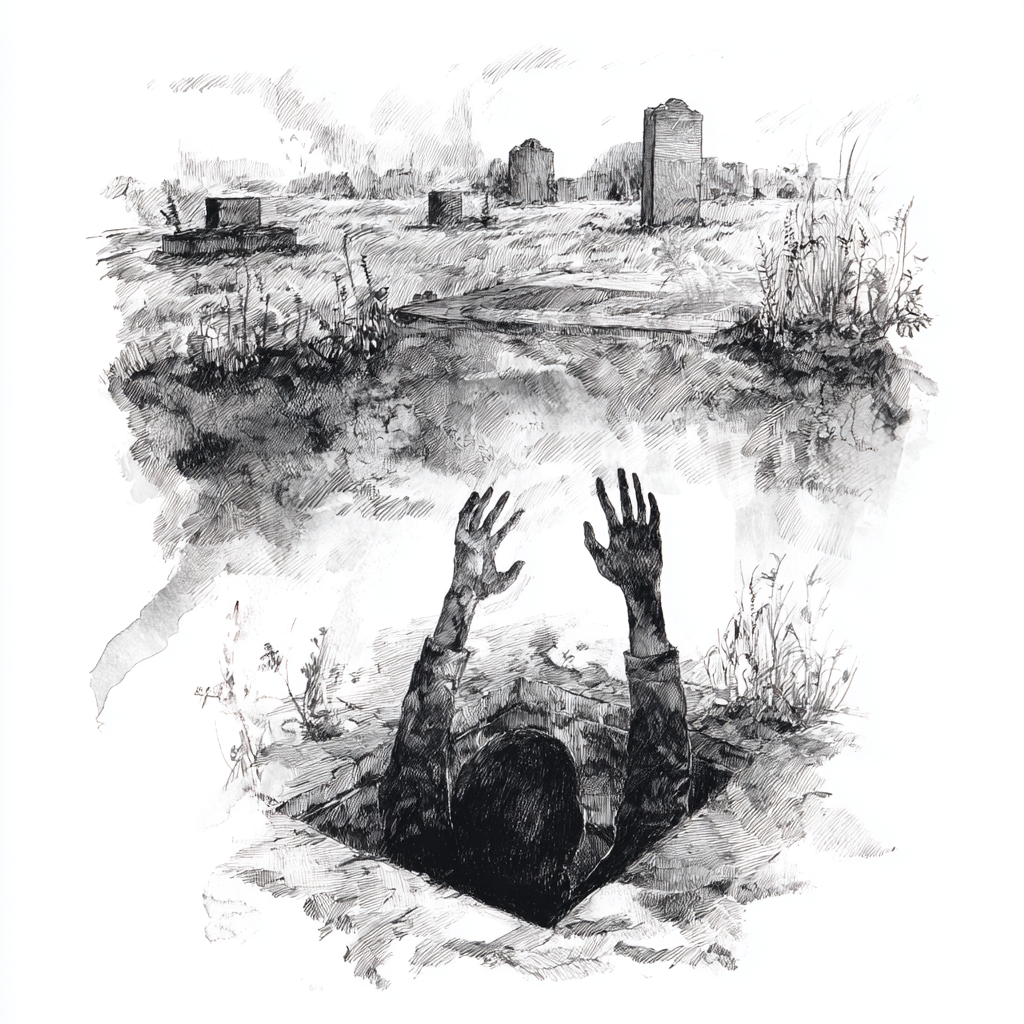
Scholars link Jamaican duppy beliefs to West and Central African ideas about ancestors and the dead. Enslaved Africans carried those ideas to the island. There they mixed with Christian and European ghost lore.
The Nine Night wake shows the African roots clearly. Families gather for nine nights after a death. They sing, drum, share food and tell stories. The ritual aims to send the spirit on its way so that it does not return as a duppy.
In many tellings, a person who dies badly is more likely to come back. A violent death, an unmarked grave or an unfinished grudge all raise the risk.
Haitian Vodou treats the dead in a different way. Read about Baron Samedi for a comparison.
Types of Duppy, From the Rolling Calf Onward
Tellers describe many kinds of duppy. The rolling calf is among the best known. It appears as a calf with fiery eyes and a dragging chain, often near crossroads at night. Some tellers link it to a person who lived cruelly.
Another famous form is the three-footed horse, said to stalk lonely roads. Jamaican folklore also features the Old Hige, a skin-shedding woman who is a cousin of the soucouyant.
Jamaica’s legends include human figures too. The outlaw Three Finger Jack was said to use obi magic to survive bullets.
How Jamaicans Say to Ward Off a Duppy
Remedies differ by family and parish. Common ones include carrying garlic, sprinkling salt at the door and wearing clothes inside out. Others call on prayer or keep a Bible nearby. Tellers say a traveller should never answer when a voice calls from the dark.
Music has kept the idea alive too. Bob Marley and the Wailers recorded a song called Duppy Conqueror, which brought the word to a global audience.
The Word Duppy and Its African Roots
The word duppy likely comes from West Africa. One theory points to the Ga language of Ghana, where a similar word means dwarf. Another view traces duppy belief to Bantu folklore from Central Africa. Much of Jamaica’s folklore comes from the Ashanti and related Akan peoples.
In the Lesser Antilles, people often call duppies jumbies. Our guide to the jumbie explains how that word covers many different spirits.
Duppies and the Two Souls
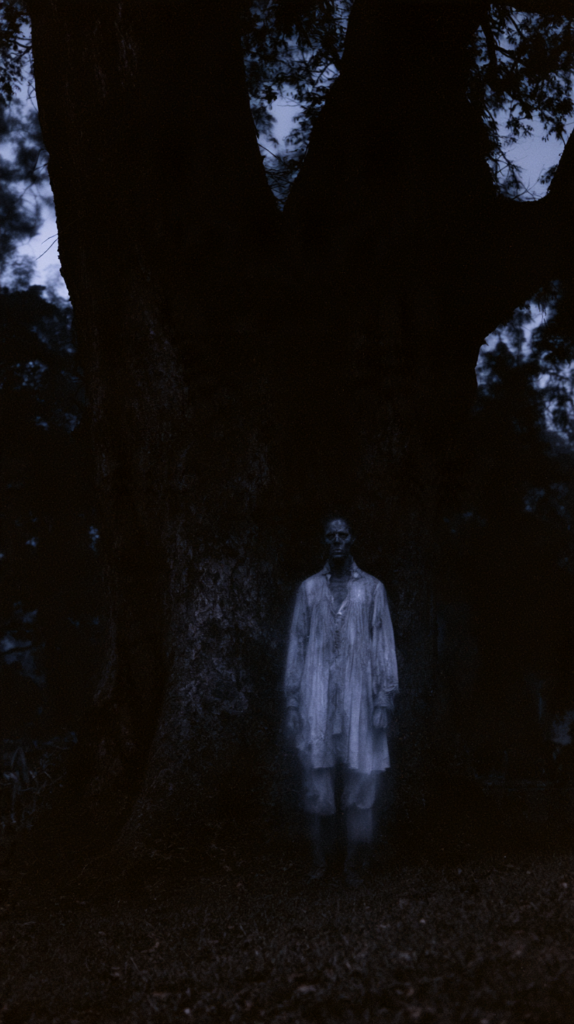
Older Jamaican belief gave every person two spirits. The good soul goes to heaven for judgement. The earthly spirit stays behind for a time.
Folk tradition says the earthly spirit lingers in the coffin for three days. Without proper precautions, it can slip out and appear as a duppy. Some tellers say the duppy rises on the third day after burial. It then returns to the house and wanders among the dead person’s belongings. It leaves for good on the ninth night.
Where Duppies Live
Duppies keep favourite haunts. Tellers say they live in the roots of silk cotton trees, in bamboo thickets and in abandoned buildings. Almond trees and crossroads carry a similar reputation.
The silk cotton tree, also called the ceiba, is one of the largest trees in the American tropics. Its huge buttressed trunk makes an eerie shelter after dark.
The word even shaped plant names. Jamaicans speak of the duppy tomato, the duppy soursop and the duppy cherry. Each pairs with a real plant of the same name.
The Rolling Calf and the Three-Foot Horse
Two duppies dominate Jamaican storytelling. The rolling calf wears a collar with a chain that clatters along lonely roads. Its breath is hot, and its eyes burn. Tellers say the spirit comes from a person who was wicked or dishonest in life, especially if the family skipped the funeral rites.
The three-foot horse has only three legs, yet nothing outruns it. It has fiery red eyes and hot breath. A rider called the whooping boy often urges it on with a high cry. Travellers on lonely roads dreaded the sound of galloping hooves.
Some say a traveller can escape the rolling calf by throwing rice on the road. Another remedy calls for striking three matches. The first two hold the calf’s attention, and the traveller keeps the third. The calf then searches for the missing match.
More Folk Defences Against Duppies
Jamaican households keep many customs to guard against duppies. Many rest on one idea. Duppies can count only to nine, and they walk in straight lines.
- Place ten coffee beans in the room of the dead. Duppies can count only to nine, so they cannot enter.
- If a duppy follows you, mark an X on the ground. The spirit will spend the night trying to count to X.
- Walk backward and turn around three times, since duppies walk in a straight line.
- Plant a calabash tree at the head and foot of a grave.
- Leave water and a light in the room of the dead, and keep the room unchanged for nine nights.
Duppy in Song, Story and Screen
Jamaican musicians return to duppies often. Bunny Wailer recorded Duppy Gun, and dancehall artist Demarco had a 2008 hit called Duppy Know Who Fi Frighten. Ian Fleming’s novel Live and Let Die mentions duppies and the rolling calf in the chapter The Undertaker’s Wind.
Folklore also fuels ghost tales such as the White Witch of Rose Hall, one of the most popular ghosts in Jamaica.
Common Questions About Duppies
Is a duppy the same as a ghost?
In many stories a duppy acts like a Western ghost. Jamaican lore adds animal forms such as the rolling calf and an older belief in two souls.
Are duppies always evil?
Many tellers call duppies malevolent and say they bring misfortune. Some stories describe mischief rather than harm. Nine Night customs aim to settle a spirit before it turns troublesome.
Why do Jamaicans hold Nine Night?
Families gather for nine nights after a death to send the spirit on its way. One account quotes a participant who says the ceremony keeps the duppy in its grave.
Related Articles
Caribbean Folklore: A Field Guide to Monsters and Haunted Places


3 Comments
Baron Samedi: Who the Haitian Lwa of the Dead Really Is - Your source for all things horror
October 12, 2026[…] duppy offers a contrast. It is a restless spirit that haunts the […]
Caribbean Folklore: A Field Guide to Monsters and Haunted Places - Your source for all things horror
October 12, 2026[…] Duppy: Jamaica’s Restless Spirits and the Legends Behind Them […]
Three Finger Jack: The Outlaw Jamaica Still Talks About - Your source for all things horror
October 12, 2026[…] folklore also holds spirits of the dead, such as the duppy. The island’s colonial history includes the Port Royal earthquake of 1692, about a century […]