
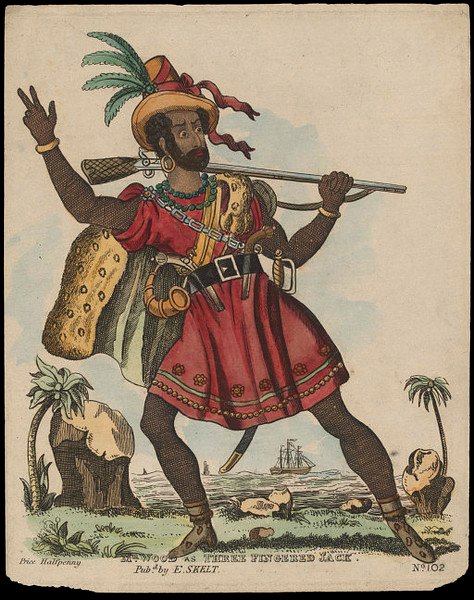
Jack Mansong, better known as Three Finger Jack, is one of Jamaica’s most famous outlaws. He escaped slavery around 1780, raided travellers in the hills of eastern Jamaica and became a legend before his death in 1781. Stories say he used obi magic to turn bullets away.
This guide separates the historical record from the folklore around Three Finger Jack. His story belongs to the wider tradition of Caribbean folklore.
Table of Contents
Who Was Three Finger Jack?
Accounts describe Jack Mansong as an enslaved man who ran away and led a band of fugitives in the hills of St. Thomas-in-the-East. His group attacked travellers on the roads and lived in the mountains.
He earned his nickname after losing two fingers from one hand. Historians say he lost them in a clash with a Maroon named Quashie. Tellers disagree on the details.
The Hunt for Jack Mansong
The colonial government treated Jack as a serious threat. The Royal Gazette published the first known account of him in 1780. The notice carried a proclamation offering a reward for his capture. One account puts the reward at 300 pounds, the first bounty on a fugitive in Jamaica’s history.
Maroon parties went after him. The accounts name Maroons including Quashie and John Reeder. Most versions say they killed him on January 27, 1781, near Bull Bay. His head and hand went to Spanish Town as proof.
How Three Finger Jack Became a Legend
Jack’s reputation grew fast. Many believed he practised obi, the Jamaican form of obeah, and that it made him immune to bullets. The belief added to his fame.
His story soon crossed the Atlantic. London audiences saw the pantomime Obi; or, Three-Finger’d Jack at the Haymarket Theatre in 1800. Books and plays followed through the 1800s.
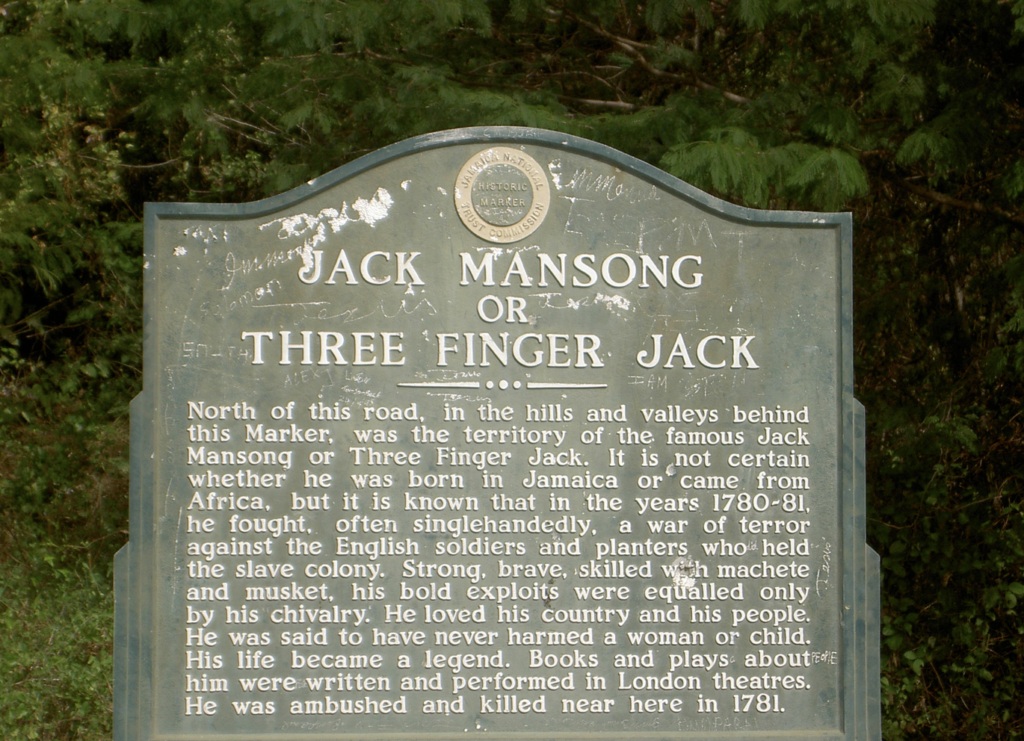
Jamaica later reclaimed him. A 1978 monument near Bull Bay honours Jack Mansong. In 1980, the Jamaica National Pantomime staged his story as Mansong, which presents him as a freedom fighter. Scholars still call him a complicated figure: rebel, outlaw and folk hero at once.
Jamaica’s folklore also holds spirits of the dead, such as the duppy. The island’s colonial history includes the Port Royal earthquake of 1692, about a century before Jack’s time.
The Two Stories of the Missing Fingers
Every account of Jack Mansong mentions his nickname. The explanation changes with the teller. One version says he lost two fingers in an ambush when he tried to rob the Maroon Quashie. Another says he lost them in a duel with an enslaved man who hoped to capture him and claim a reward.
Either way, the injury gave him a name that outlived him. Newspapers, plays and songs all used the three-fingered hand as a symbol of his menace.
The Maroons Who Hunted Him
The task of ending Jack’s raids fell to Maroon fighters from Scott’s Hall and Charles Town. They included John Reeder, Samuel Grant and a young warrior named Little Quaco. In 1798, Reeder petitioned the Jamaican Assembly for a pension and described his role in killing Jack. He received his annual pension three years later.
Accounts differ about the final blow. One says a young boy struck Jack with a rock before Reeder and the boy cut off his hand and head. Another names Quashie as the man who killed him.
Obi, Bullets and the Making of a Legend
Jack’s fame rests partly on obi. Many Jamaicans believed it made him bulletproof. One account calls him a highway bandit who could absorb bullets without harm. A song about him described how he used obi to keep his power.
Obi, pronounced obi-yah in Jamaica, is the local form of obeah. A writer named Moseley described seeing Jack’s obi in 1780. His account later inspired a London stage pantomime.
Three Finger Jack on Stage and in Print
London audiences met Jack in 1800. The pantomime Obi; or, Three-Finger’d Jack opened at the Haymarket Theatre that year. William Earle published a novel with a similar title, and William Burdett’s Life and Exploits of Mansong introduced the alternate name Mansong.
At least two of the books on Jack became best-sellers. One pantomime ran for at least nine years in British theatres. One scholar counts more than twenty biographical accounts in the Romantic era alone. Writers kept retelling the story into the 1800s, and Thomas Frost published a prose version in 1851.
Hero, Outlaw or Both?
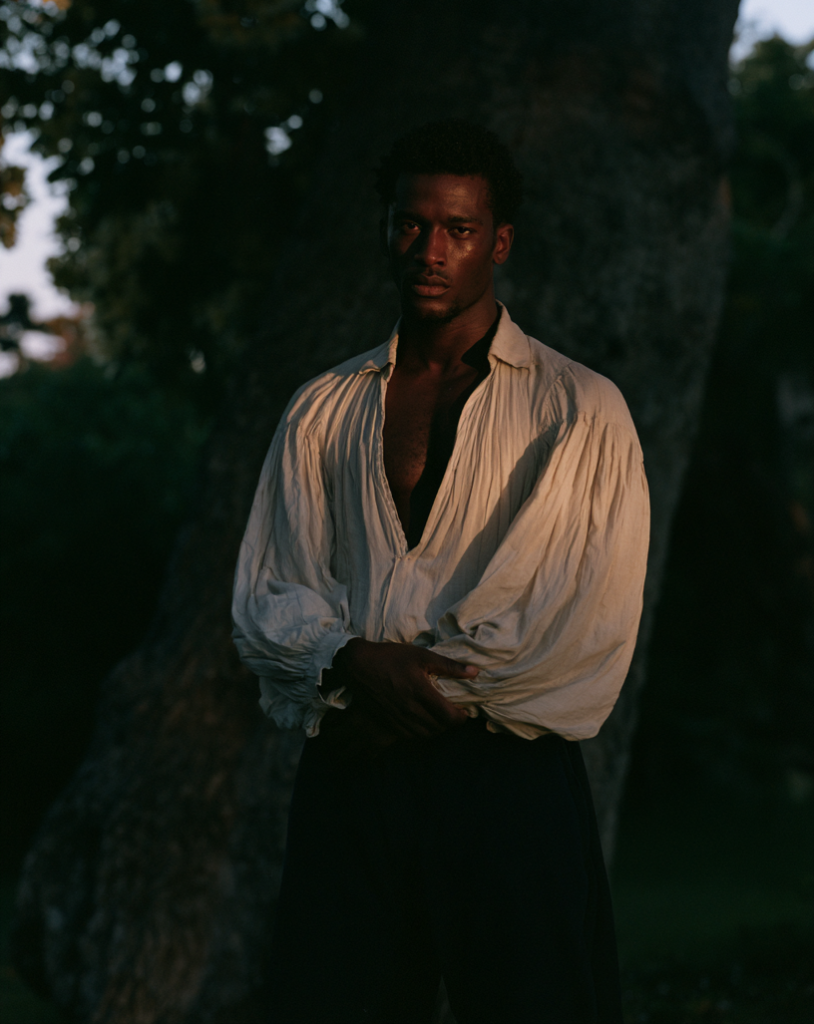
Jamaicans have long argued about how to remember Jack Mansong. Officials of his day used harsh and admiring labels at once. They called him the terror of Jamaica, and some also called him a daring rebel.
Modern Jamaica leans toward the freedom-fighter reading. The 1980 national pantomime Mansong staged him that way, and a 1978 monument near Bull Bay honours him. Scholar Frances R. Botkin’s 2017 book, Thieving Three-Fingered Jack, examines how his image carries into Jamaican and American popular culture.
Common Questions About Three Finger Jack
When did Three Finger Jack die?
Jack Mansong died on January 27, 1781, according to an account in the Royal Gazette of February 3, 1781.
Who killed Three Finger Jack?
Maroon fighters killed him. Accounts name Quashie and John Reeder, and some add a young boy. The details differ from source to source.
Was Three Finger Jack a real person?
Yes. The Royal Gazette recorded his case in 1780 and 1781, and a monument near Bull Bay honours him. Folklore later added layers of legend.
Three Finger Jack at a Glance
- Real name: Jack Mansong
- Active: 1780 to 1781
- Region: the hills of St. Thomas-in-the-East and the Blue Mountains
- Nickname: from the loss of two fingers on one hand
- Death: January 27, 1781, according to the Royal Gazette
- Legacy: a 1978 monument near Bull Bay and the 1980 national pantomime Mansong
Where to See Jack’s Legacy
The Jamaica National Trust Commission placed a monument beside the road near Bull Bay in St. Thomas in 1978. Its inscription says that the hills and valleys behind the marker were Jack Mansong’s territory. It adds that he became a legend and that an ambush killed him nearby in 1781.
The monument shows how Jamaica remembers him. The text treats him as a historical figure first and a folk hero second.
Related Articles
Caribbean Folklore: A Field Guide to Monsters and Haunted Places
Duppy: Jamaica’s Restless Spirits and the Legends Behind Them