Why do people like horror even when it’s built to scare us? For a handful of horror authors, the answer isn’t about the scare. It’s about what the fear stands in for.
When the pandemic hit, Toronto-area horror author Andrew F. Sullivan didn’t turn to comfort reads. He turned to body horror.
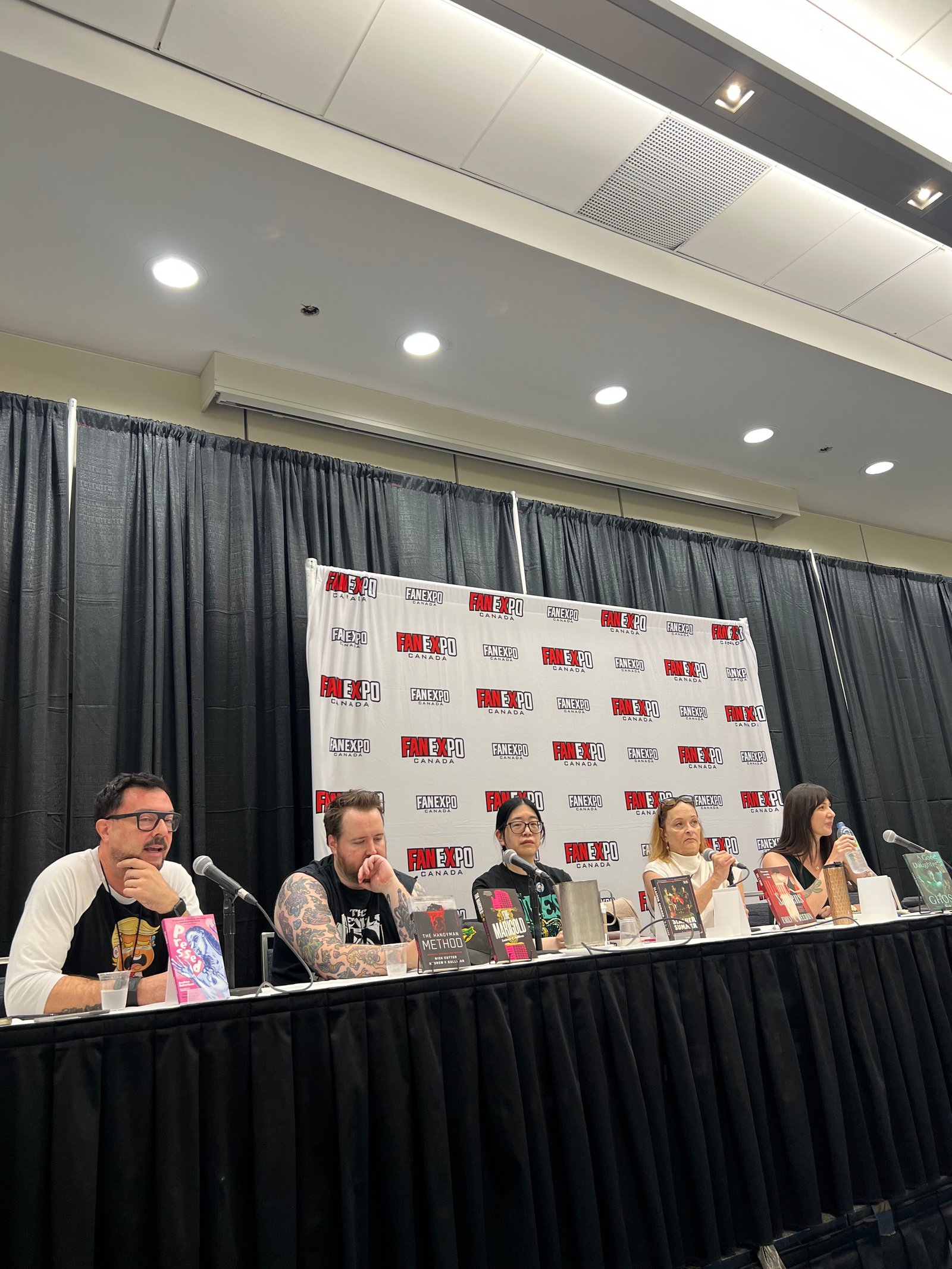
“We have a uniquely Canadian connection to that kind of history of body horror,” Sullivan told a panel of horror authors at Fan Expo Toronto 2026. He pointed to David Cronenberg’s influence on the genre. “The threat is within you, or the capacity is just within your body to decide one day to betray you.”
Sullivan wasn’t alone. Four other novelists said they turned to horror not to escape real-life fear. They used it to work through it. The writers described a pandemic, grief and racism as the real monsters behind their fiction. Their experience lines up with psychological research. That research shows horror fiction can genuinely ease anxiety. It doesn’t just distract from it.
Table of Contents
The Body as Battleground
For Sullivan, the pandemic sharpened an existing fascination with body horror. The subgenre has deep Canadian roots through Cronenberg’s work. He said one idea felt especially relevant during COVID-19: that a person’s own body might betray them without warning. It wasn’t a comfortable kind of familiar.
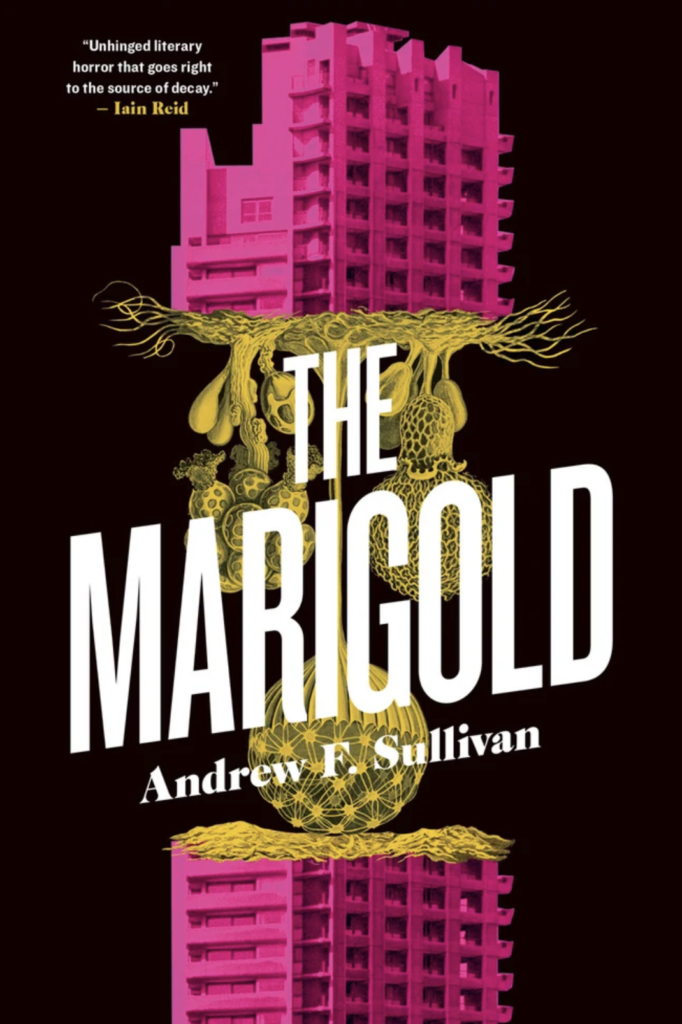
Sullivan’s fiction has also mined a different kind of everyday dread: the housing market. His novel The Marigold is set in a near-future Toronto. The city is buffeted by unchecked development. It follows a toxic mould consuming a crumbling condo tower. “Anyone who has ever lived in a basement apartment will understand it,” Sullivan said. He described the mildew smell a landlord insists isn’t there. A similar unease shaped his co-written novel The Handyman Method. This time, the trigger was squirrels living in his home. “You cannot control it,” he said, adding “You know you need to call a guy… and he will come and gently remove them. You hope.”
Grief, Disguised as Genre
Toronto author E.L. Chen said the pandemic hit her differently. Her novels include Sweetside Motel and One of Us Is Already Dead. As a single parent working from home, she also became her son’s “IT support,” educational assistant and full-time employee all at once. The exhaustion of lockdown found its way into her fiction almost by accident, she said.

Writing after her son went to bed each night became a coping mechanism in itself, Chen said. Both of her pandemic-era novels are set in remote, isolated locations. They echoed her own sense of being confined. She later credited the same instinct with helping her process a different kind of pain. She watched anti-Asian racism surge during the pandemic. Sweetside Motel, she said, became a way of “trying to come to terms with” a hostility. She’d rarely experienced it so directly growing up in Toronto.
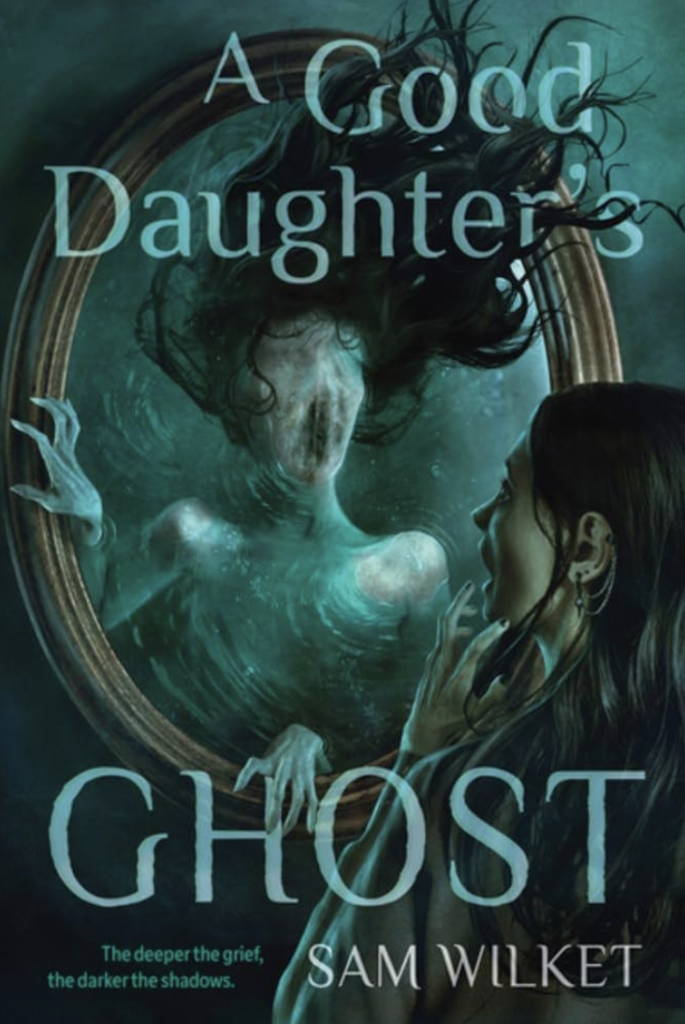
Toronto writer Sam Wilket described an even more unplanned convergence between fiction and grief. Her YA debut A Good Daughter’s Ghost draws on Chinese folklore. She was four years into writing the novel, she said, when she lost her younger sister and her stepmother. Without realizing it at the time, the story she’d already planned became a vessel. It helped her work through that loss.
“I needed to write to figure out what I was feeling,” Wilket said. She didn’t recognize how much of her own grief had entered the manuscript until after it was finished. “I thought it was just escaping… but no, a lot of those fears and experiences made it in there.”
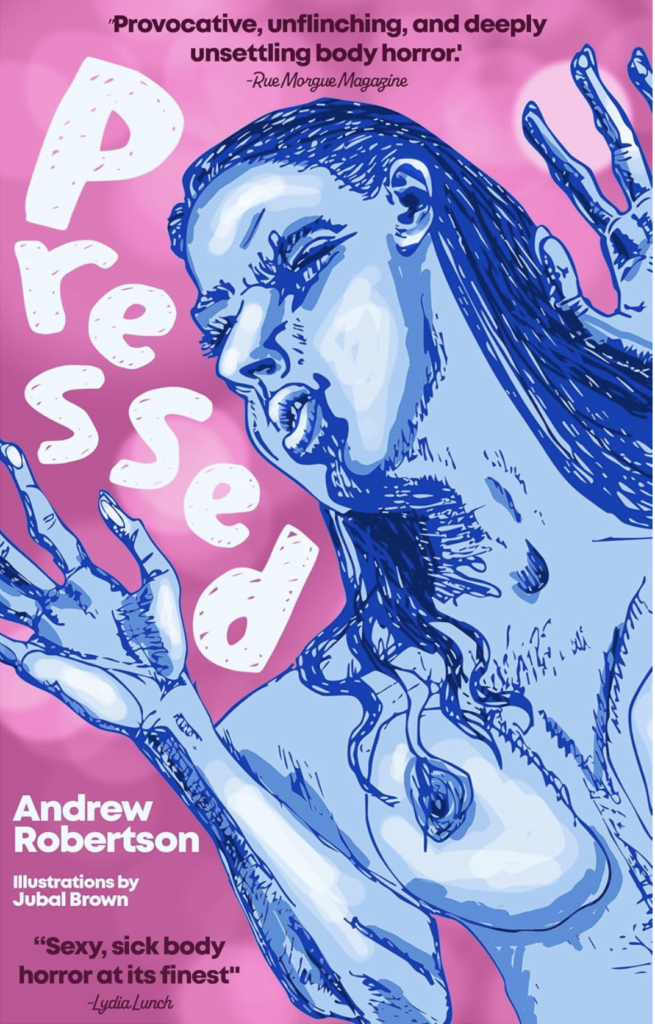
Andrew Robertson, the panel’s moderator and author of the novella Pressed, offered a lighter coda to the grief discussion. He described a kitchen knife he’d encountered while renting an apartment in Copenhagen, forged from a single piece of metal. “I found it the most terrifying object that I had ever held,” Robertson said. He covered it with paper, closed the drawer, and never opened it again.
Related Articles
Fan Expo Toronto 2026: Horror Guests Steal the 30th Anniversary Weekend
Toronto After Dark Film Festival: Honouring Adam Lopez’s Legacy and the Future of Horror Cinema
Morbid Curiosity and the Science of Fear
The panelists’ experiences track with a growing field of research. That research looks at why people like horror in the first place. Coltan Scrivner is a behavioural scientist and research fellow at Aarhus University’s Recreational Fear Lab. He’s built a career studying morbid curiosity. He defines it as an interest in threatening situations approached from a position of safety.
In a 2020 University of Chicago interview, Scrivner said morbid curiosity helped some people process pandemic-era fear. It let them rehearse threat detection without real-life stakes, he said. His subsequent research was published in Personality and Individual Differences. It’s titled “Scaring away anxiety: Therapeutic avenues for horror fiction to enhance treatment for anxiety symptoms.” It found horror fans and the morbidly curious showed greater psychological resilience during COVID-19. Those who avoided the genre didn’t fare as well. Scrivner has also argued horror media can work like exposure therapy. It gives the brain a controlled dose of adrenaline, minus the real danger.
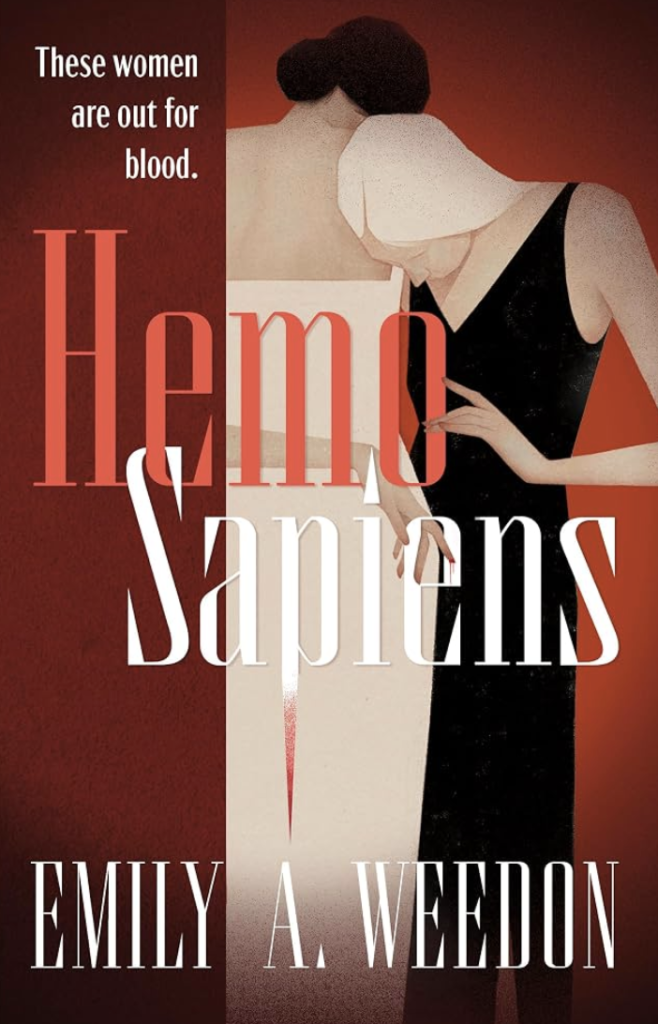
That framing matched how Emily Weedon described her own writing process. The Toronto author and screenwriter’s novel Hemo Sapiens reimagines the vampire myth. It does so through pregnancy and gender politics. Weedon drew on medical anxieties and her own experience as a woman not always taken seriously by doctors. She said the genre gives writers “a dojo.” It’s a place to work through everyday dread before it becomes overwhelming.
When the Villain Isn’t a Monster
Not every fear on the page wears fangs. Chen’s real antagonist in Sweetside Motel was the sudden visibility of racism. She’d spent a lifetime minimizing it. Wilket’s antagonist was the disorientation of loss arriving mid-manuscript. Sullivan’s was a condo board’s silence about a smell that wouldn’t go away.
The panel’s four Ontario-based authors spoke at Fan Expo Toronto 2026. Together, they point to an answer that has less to do with the creatures themselves. It’s about what those creatures are standing in for. Scrivner’s research suggests the fear on the page may be doing real work. It lets readers and writers alike rehearse survival. And that rehearsal happens in a place that’s still, ultimately, safe.