
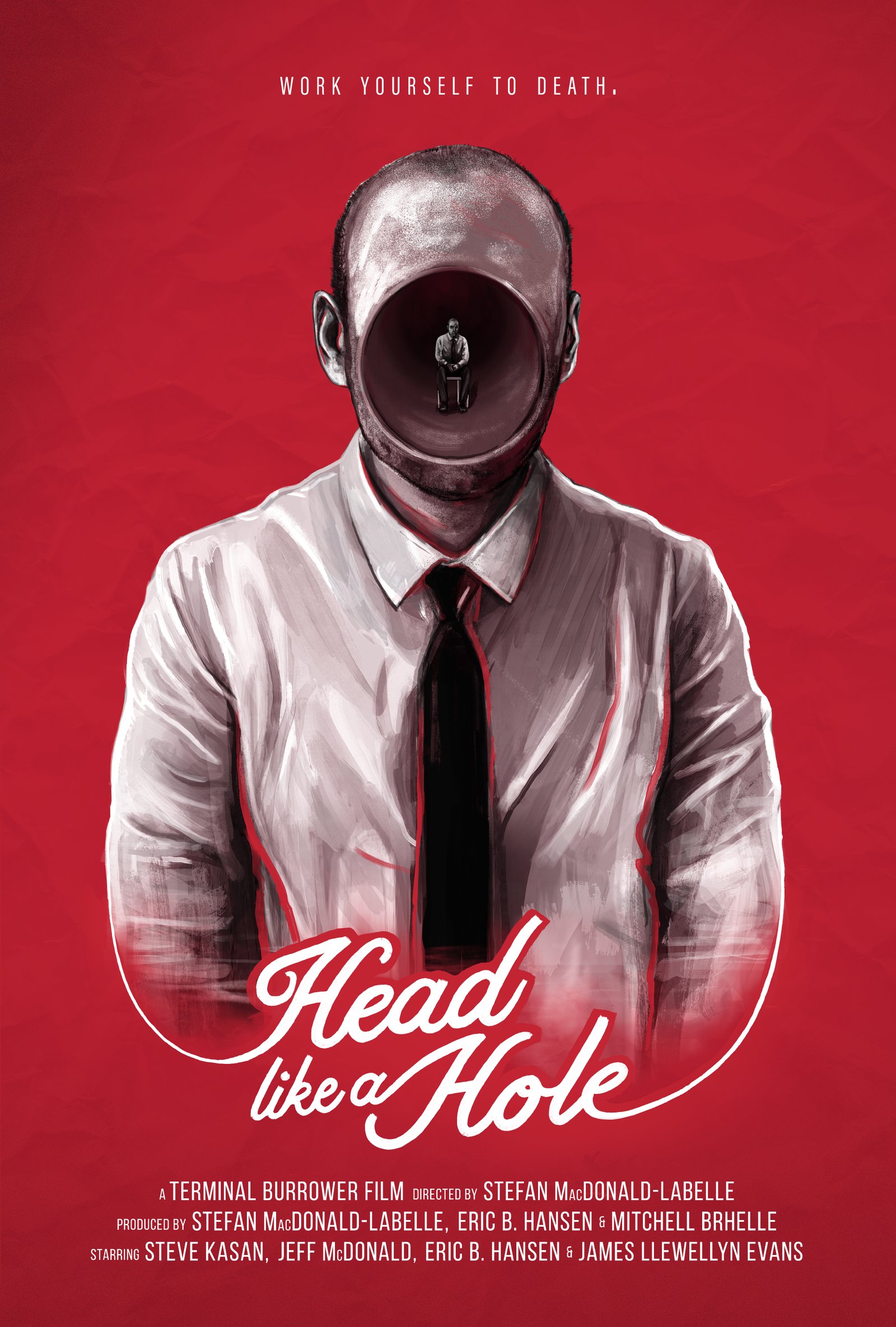
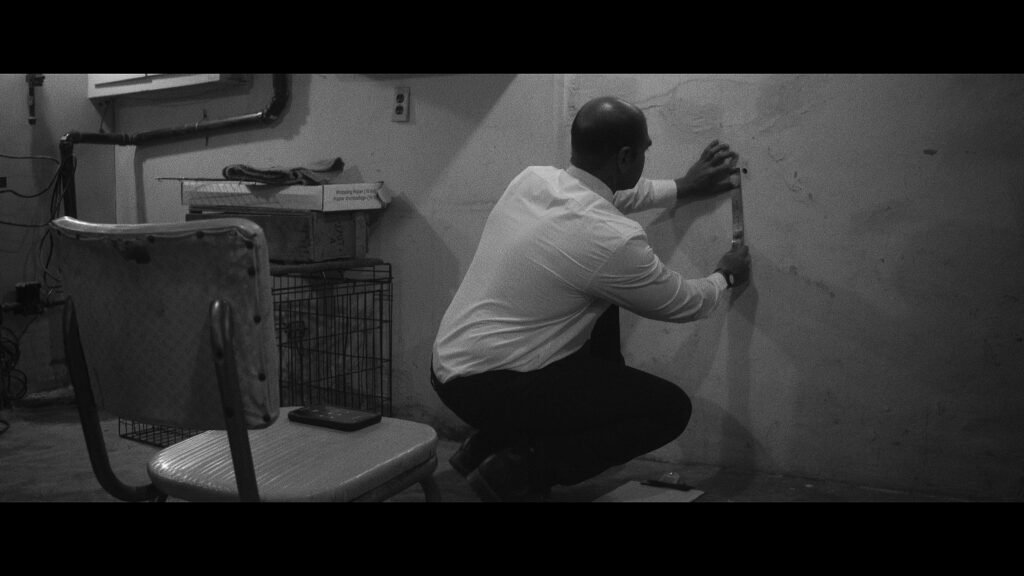
A man named Asher (Steve Kasan) measures a hole in a wall. He checks, day after day, whether it has grown. That task is his entire job. It is also, more or less, his entire life.
“Head Like a Hole,” a new Canadian feature shot in Hamilton, Ont., turns the daily grind into horror. The film traps one worker in a desolate world and the dullest job imaginable. Director Stefan MacDonald-Labelle mines real economic dread, things like stagnant wages, vanishing jobs, billionaire worship, and stages it as a slow march toward oblivion.
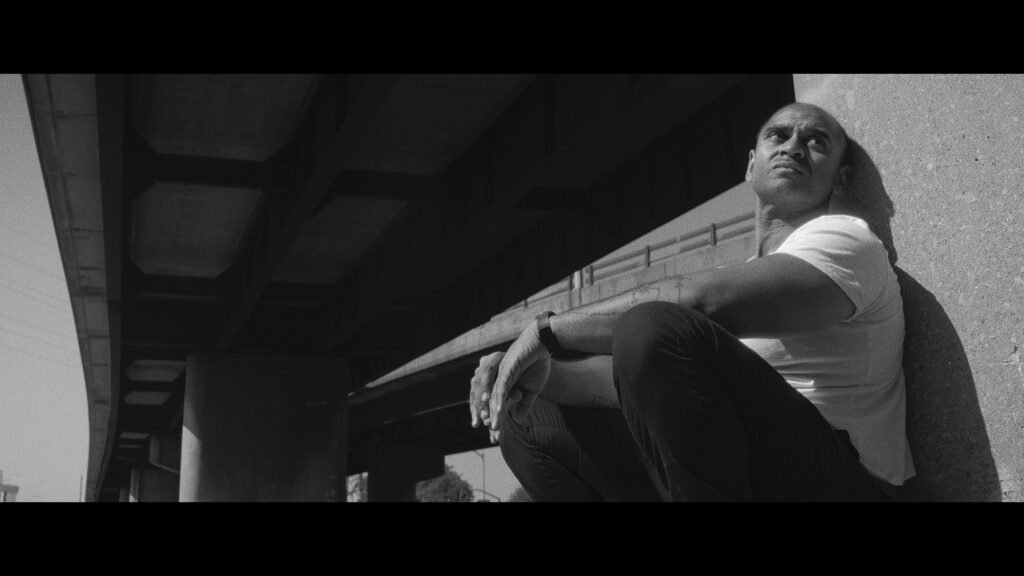
Table of Contents
A corporate job sparked the film
The idea grew out of MacDonald-Labelle’s own work history. He drove forklifts in a warehouse while underage and later adjudicated insurance claims from a rented school basement. Then he landed in a corporate office supporting a luxury retailer owned by one of Canada’s wealthiest families.
That office unsettled him as he watched colleagues build a strange devotion to their employers.
“I found it particularly frightening how co-workers developed this parasocial relationship with them,” he said.
He likens the dynamic to the way some people champion a favourite billionaire. The worship he saw in that office became his jumping-off point.
Why capitalism makes good Canadian horror
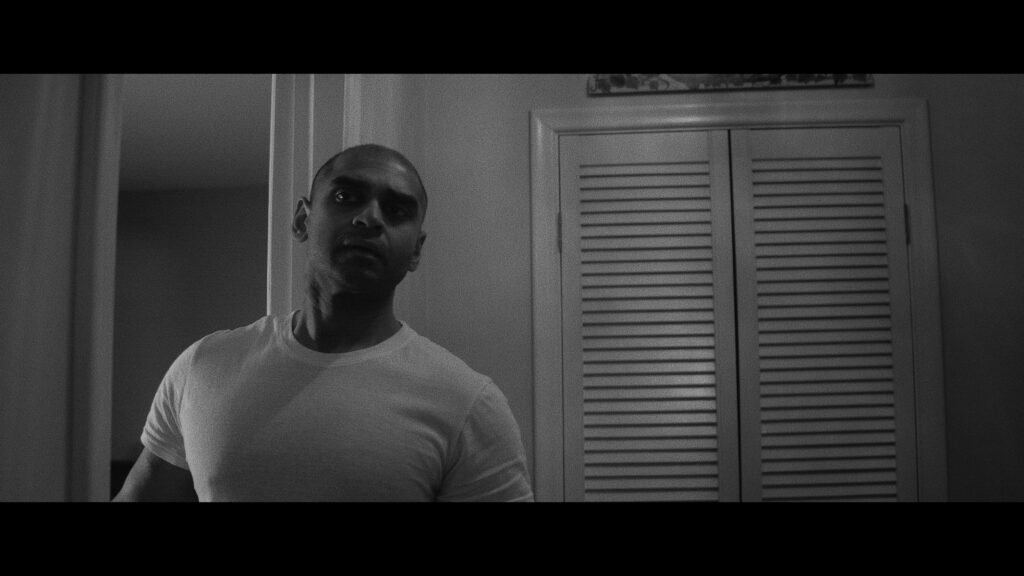
MacDonald-Labelle believes the genre fits the moment. He points to financialized housing, a shrinking job market and wages that refuse to climb.
“I’m concerned about money every single day of my life and I hate that,” he said.
“I always trust that I’m not alone in feeling the ways I feel,” he added. He hopes that common dread will land with viewers.
The film also carries his theory of exploitation. “Capitalism only works if people are exploited,” he said, and he worries the scale of it keeps growing. He cites the author Alison Rumfitt, who wrote that “work turns us all into ghosts, repeating the same learned actions over and over again for eternity.”
He reserves particular alarm for AI owned by the wealthy. Early futurists imagined machines would free people to make art, he notes. Instead, he argues, AI now targets art itself while data centres drain land and resources.
Earning the gore
The film does not flinch from violence. But MacDonald-Labelle insists the gore serves the story.
“I personally don’t like films that are violent for the sake of being violent,” he said. He wants violence earned, and aimed at characters the audience cares about.
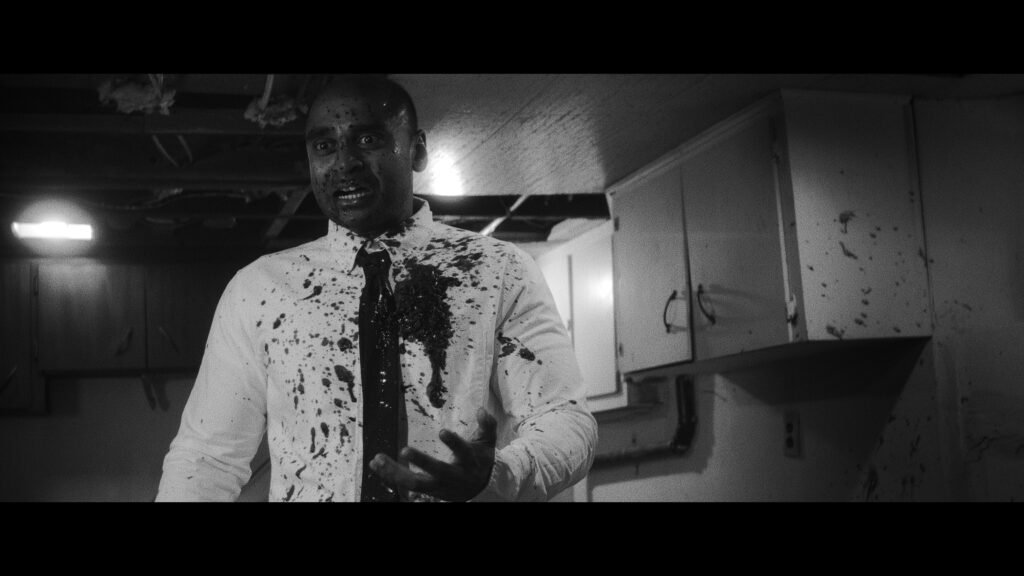
A brutal cold open sets the tone. He wanted everything after it to feel like “a conveyor belt, dragging us towards oblivion.” The film is otherwise quiet, so the opening fuses its humour and its horror.
A world built to feel empty
Asher’s surroundings reinforce his entrapment, and MacDonald-Labelle emptied the frame on purpose.
“I took a great amount of effort in painting out passing vehicles in a lot of shots,” he said. Desolation, he notes, does not breed job opportunities. Asher has nowhere else to go.
MacDonald-Labelle also keeps Asher’s backstory thin by design. Viewers still grasp his plight through his reactions, in a film that plays like a bleak stage piece. The story is “like Waiting for Godot if it were put on in hell,” he said.
Asher even lives at his workplace. That absurd detail comes straight from MacDonald-Labelle’s experience. He once felt chained to a monotonous job he could not escape, certain a restructuring might erase his role.
A DIY Canadian horror education
MacDonald-Labelle’s love of horror runs deep. His parents are longtime friends with Tibor Takács, who directed the Canadian horror cult classic “The Gate.”
They showed him the film young, and the obsession stuck.
He raided the horror shelves of a rental store in Quebec as a kid. As an adult, he tired of chasing traditional funding, which he calls a waste of time.
So he made the feature almost entirely alone. He handled props, costume, camera and lighting himself. A location sound recordist and a one-day prosthetics team rounded out the crew. The shoot was a test, he says, of whether he could do it at all. It’s a test worth taking as MacDonald-Labelle notes he has little patience left for industry gatekeepers.
Related Articles
How the horror film, MEAT, disrupts the male gaze
When Male Silence Turns Monstrous
A $400 horror short film that exposes the beauty industry’s darkest secrets
‘We’re All Haunted Here’ Rethinks the Haunted House Horror Film
Why the City of Hamilton anchors this Canadian Horror
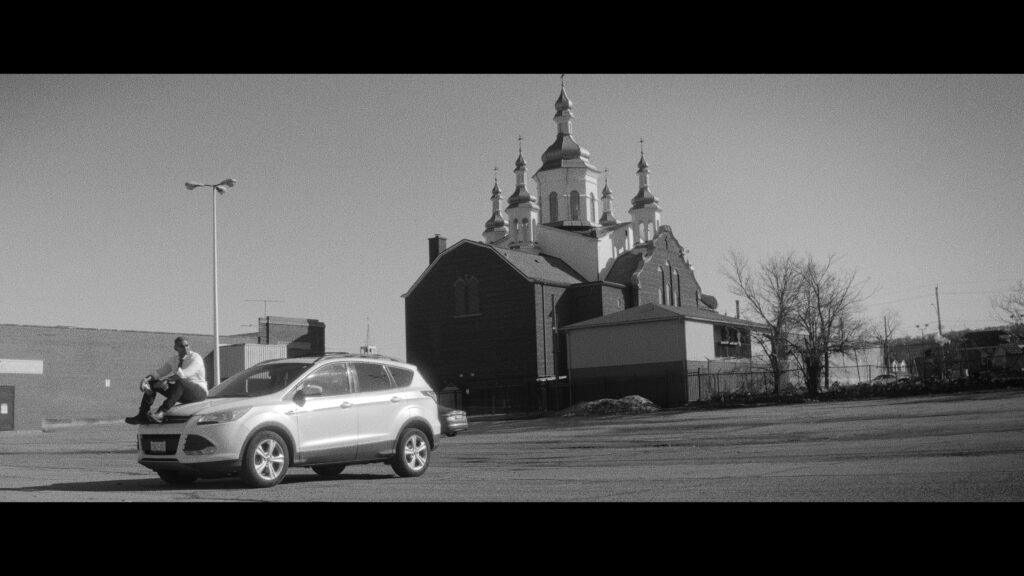
MacDonald-Labelle set the story in Hamilton, Ont., a city he now calls home. He moved there after a reno-viction pushed him and his partner out of a Parkdale apartment in Toronto.
The city’s industrial decay suits the film, and rusting factories give an evening walk a haunting edge.
“Hamilton has unparalleled grit,” he said. He praises that desolation, and, just as warmly, the people who live there.
What comes next
MacDonald-Labelle plans to keep going. His next feature, “Rewilding,” will turn his focus toward AI and the environment.
For now, “Head Like a Hole” stands as his proof of concept: a portrait of a worker measuring his own life and sanity away—like so many of us in today’s rat race.


1 Comment
Familiar Horror Comedy Premieres at Toronto Indie Horror Fest on Oct. 8 - Your source for all things horror
October 6, 2026[…] In Canadian Horror, Head Like a Hole: Capitalism Is the Real Monster […]