Every generation gets the monster its economy deserves. For young workers in 2026, that monster is the job itself.
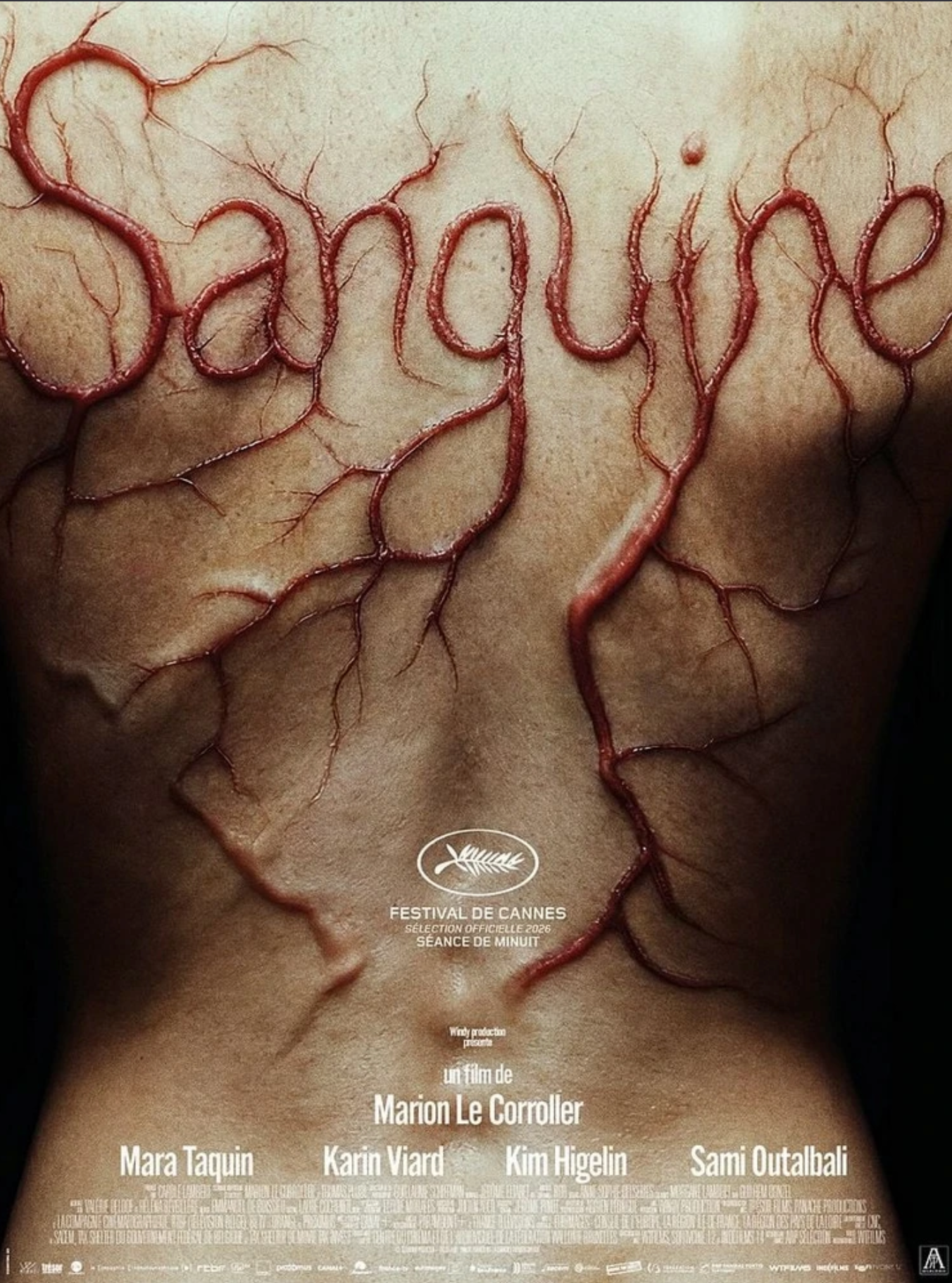
Species (Sanguine) is French body horror about a young emergency room intern whose body begins to change under the strain of her work. And she’s not alone. Marion Le Corroller’s debut feature played the Toronto After Dark Film Festival, and it was arguably one of the best films in the lineup. It lands because it treats burnout as a physical, contagious disease. In a country where young workers hear that they must perform or fall behind, that metaphor has teeth.
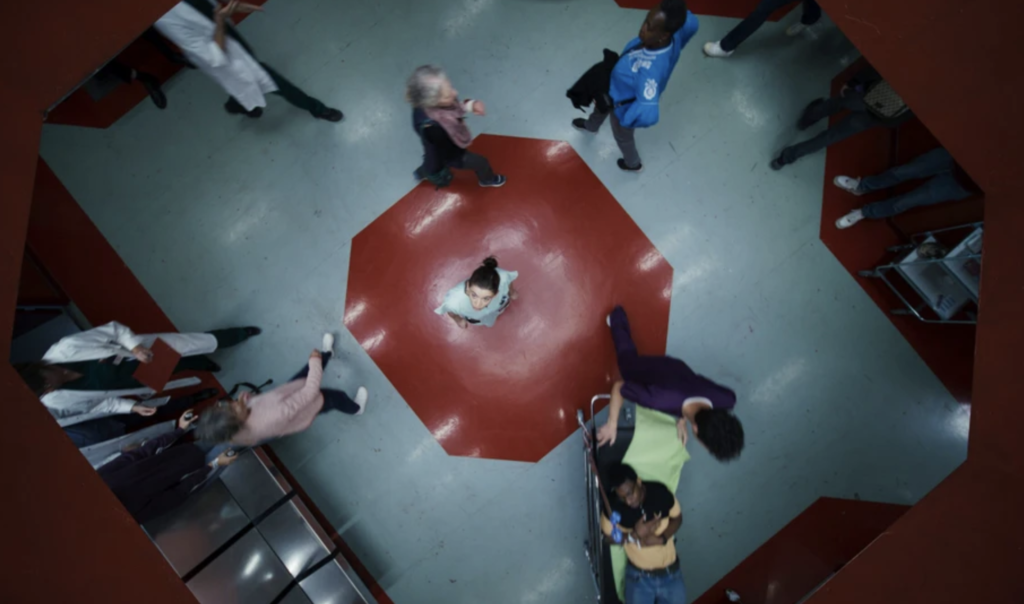
Table of Contents
A French body horror film set in a brutal ER
Margot, played by Mara Taquin, starts her internship in one of France’s most demanding emergency departments. The department head expects everything from the residents. The pressure to perform is immense.
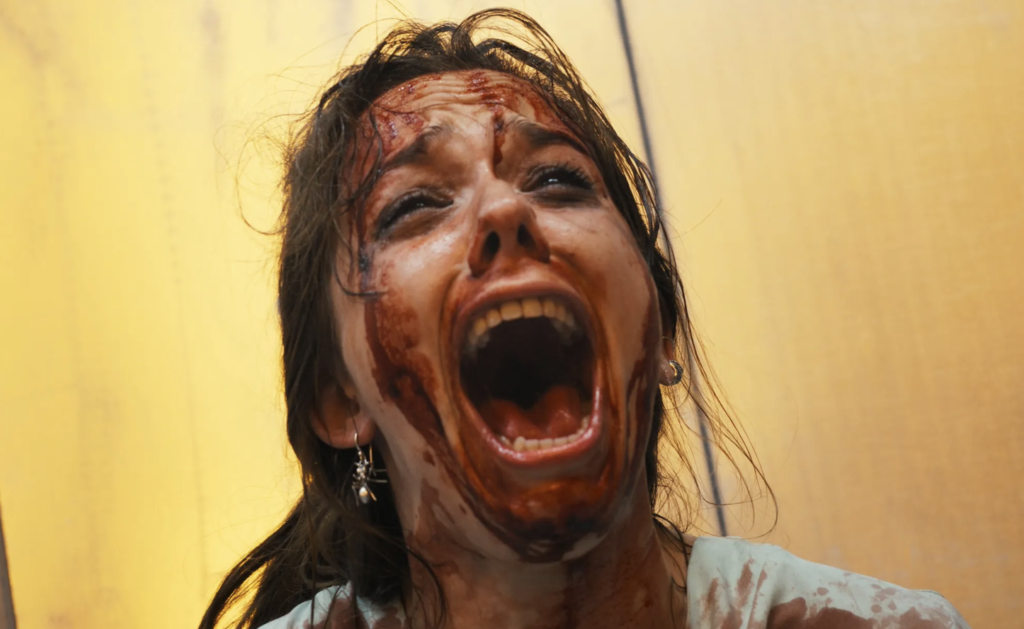
Then patients her own age begin arriving with strange symptoms. Soon the same changes appear on Margot’s body. She finds some comfort in her colleague Louis, but she starts to lose control.
Le Corroller keeps the cause of the mutations a mystery. The film runs 103 minutes and moves fast.
She knows this pressure first-hand. Le Corroller studied finance at the Sorbonne, and the film draws partly on her own time in a stressful finance job. Species expands on her 2020 short film, No More God in Doctor. Her short Melted Doll played Toronto After Dark in 2025, so this screening felt like a homecoming.
Pierre-Olivier Persin handles the transformations. He won an Oscar for the makeup effects in The Substance. His involvement gives the film real credibility in a genre that depends on its effects.
Related Articles
Whalefall Movie Review: A Creature Feature With Grief In Its Belly
Demon Twink: The Queer Horror Short Where Eternal Youth Has a Body Count
Familiar Horror Comedy Premiers at Toronto Indie Horror Fest
Why this French body horror fits the 2026 economy
Body horror works best when it finds a fear people already carry. Species finds one that is everywhere right now.
Statistics Canada reported in September 2026 that the country lost 68,000 jobs, which pushed the unemployment rate to 6.5 per cent. The youth rate sat near 13 per cent. Ontario’s rate reached 7.0 per cent, the highest among the large provinces.
Behind those numbers sits a familiar message for Gen Z. They entered a job market with fewer openings and a louder demand to stand out. Millennials know the feeling too. Many spent their twenties proving themselves through recessions and rising rents, and the pressure to keep up never lifted.
Margot lives inside that logic. Her workplace rewards endurance and has little patience for weakness. When her body breaks the rules of the job, the film asks a blunt question. What happens to a person the system can no longer use?
Earlier body horror films aimed at aging and image. The Substance, from French director Coralie Fargeat, took on beauty standards. Le Corroller aims at work, and the target feels sharper for it.
Dark comedy with real bite
Species plays as dark comedy as often as horror. The absurdity gives the blood a purpose. When a hospital treats exhausted young staff as disposable, the jokes land with a wince. A pounding electronic score keeps the pace frantic, which suits a story about people who cannot slow down.
The film screened Oct. 15 at Toronto After Dark as its Ontario premiere. The festival has a long record of championing bold genre debuts, and Species fits that tradition.
Where Species sits in French body horror
French body horror has a strong lineage. Julia Ducournau’s Raw and Titane set the standard for visceral, politically charged genre work. Fargeat’s The Substance carried the style to Oscar night. Species joins that conversation as a confident first feature with a distinct subject.
The French title, Sanguine, points straight at blood. Blood is exactly what this job costs Margot.
Verdict
Species is bloody and very funny, and sharper than most of its peers. It will unsettle anyone who has felt a job working its way under their skin.
Le Corroller has made a debut that understands its moment. In 2026, a film about workers whose bodies pay for their jobs speaks for itself. Audiences will see themselves in it, and that is the scariest part.