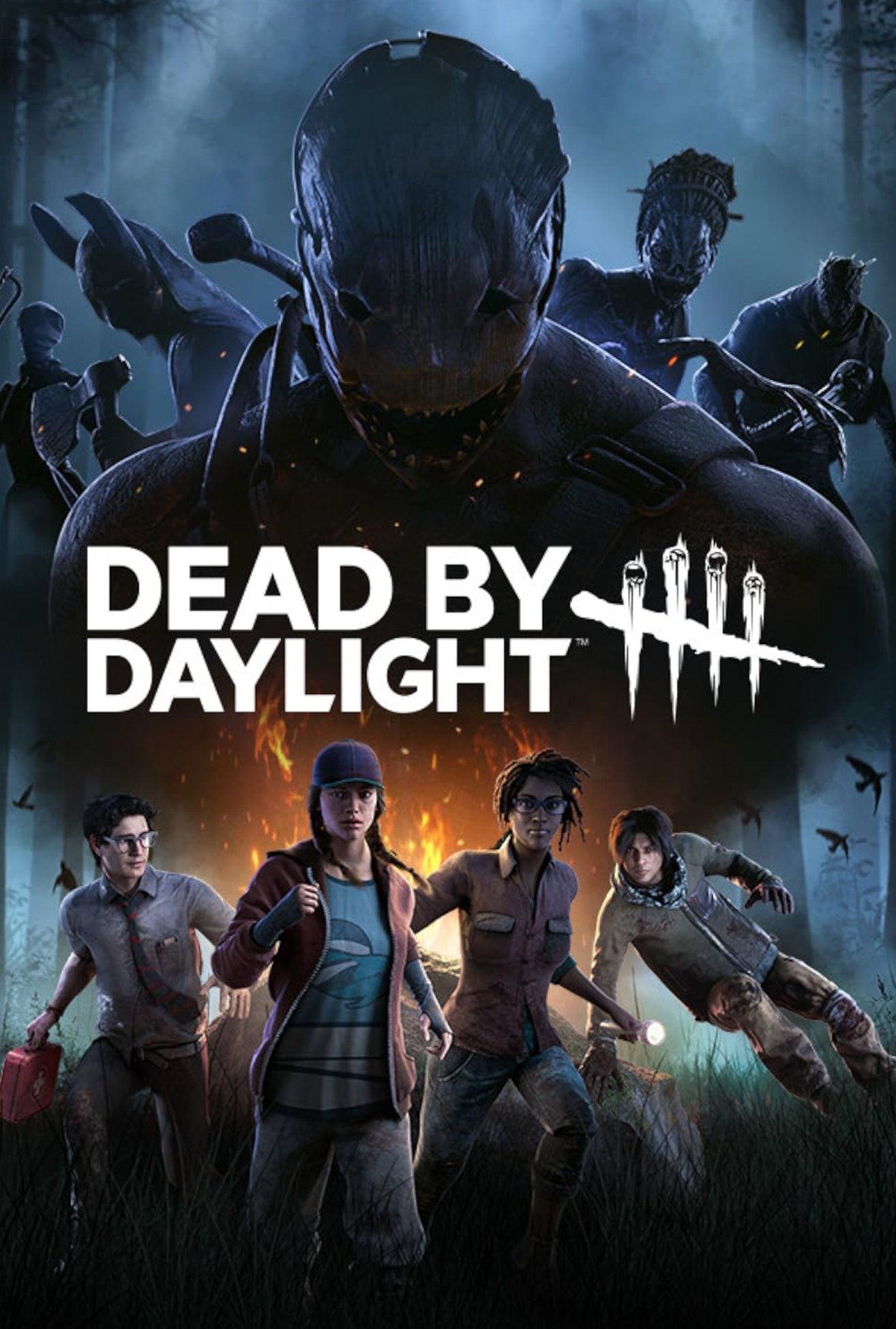
Julien D’Aoust remembers when horror games were considered the industry’s cheap seats. Now his employer, Montreal’s Behaviour Interactive, is one of the reasons that reputation no longer holds.
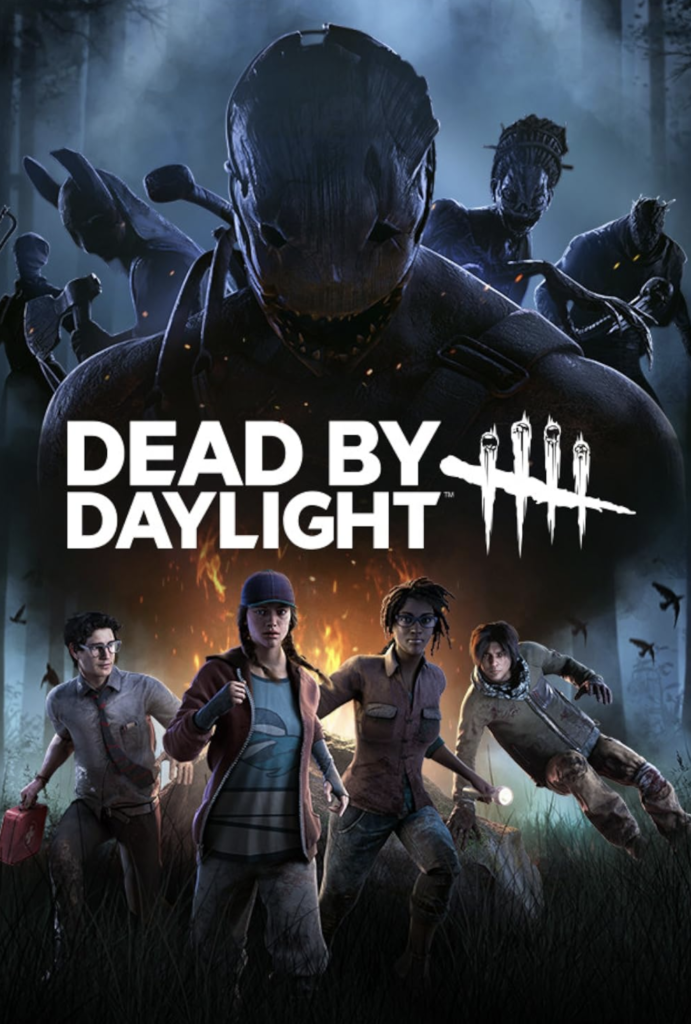
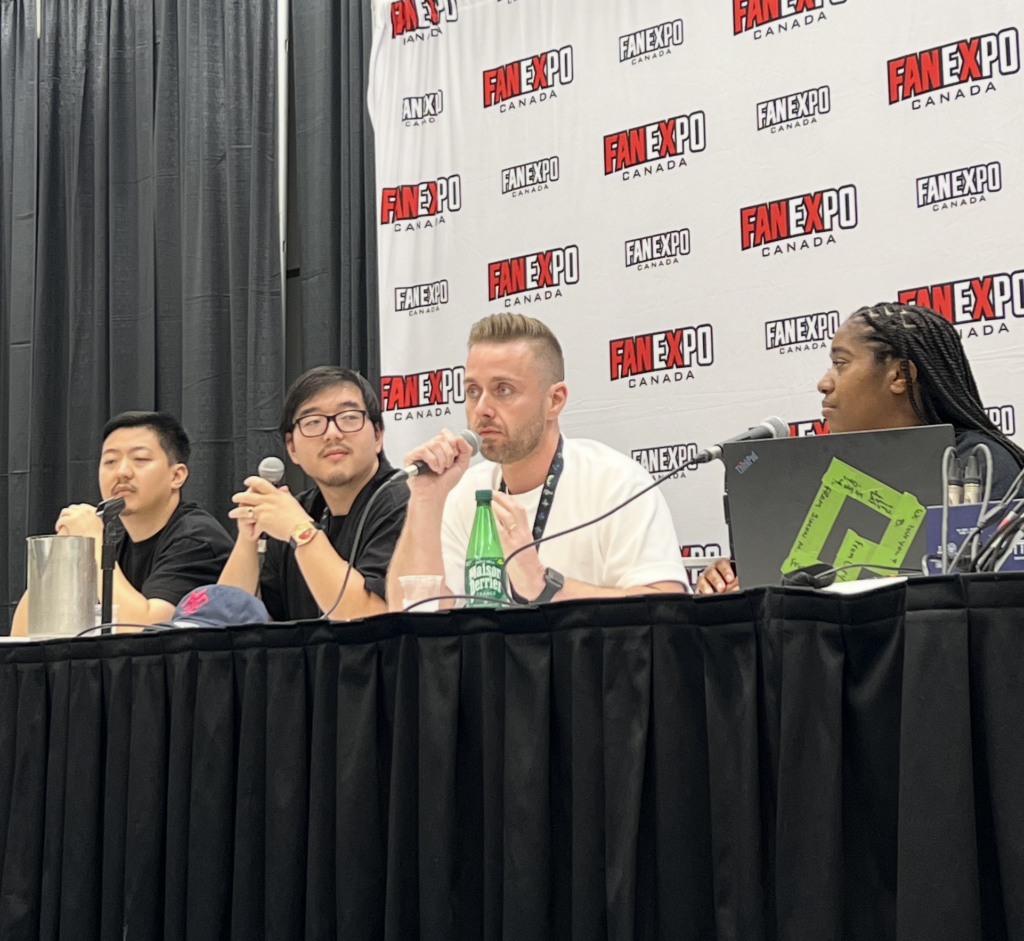
“Horror chose us as much as we chose horror,” said D’Aoust, senior brand manager for Blight: Survival at Behaviour Interactive. He made the comment during an industry panel at the Toronto Fan Expo on the genre’s design and business. D’Aoust said Dead by Daylight, the studio’s flagship title, grew out of the team’s shared love of slasher movies rather than a market study. A decade later, that instinct has turned into one of the most lucrative corners of the video game business.
The global video game industry generated roughly $205 billion US in 2026, according to market research firm Newzoo, more than film and recorded music combined. Horror is no longer a footnote in that figure. The immersive horror segment alone was worth about $9.81 billion US in 2025 and is projected to reach $11.01 billion this year, per industry analyst 360iResearch.

“Fear is one of the only genres that’s truly evergreen.” ~Julient D’Aoust
The Numbers Behind the Fear
Table of Contents
Few franchises illustrate the shift better than the ones Behaviour and its peers have built. Resident Evil has sold more than 183 million units worldwide as of the end of 2025, according to Capcom, making it the best-selling horror franchise ever produced.
Dead by Daylight, now 10 years old, set a new Steam concurrent player record of 125,820 two days after its anniversary in June. Phasmophobia, built by a small co-operative team, sold 25 million copies across all platforms by mid-2025. The Silent Hill 2 remake moved five million units worldwide within about 15 months of release, per Konami.
Five Nights at Freddy’s may be the clearest example of horror’s earning power. What began as one developer’s low-budget jump-scare game has grown into a franchise worth an estimated $1.5 billion US across games, books, merchandise and film. The 2023 film adaptation alone earned $132 million globally on its opening weekend, on a $20-million production budget.
“It’s a proven, repeatable business model at this point,” D’Aoust said. “The scale surprises people who haven’t been paying attention.”
How a Slasher Movie Became a Franchise at Behaviour Interactive
D’Aoust said Behaviour Interactive’s approach to growth starts with emotion, not mechanics. “Ask what you want players to feel first,” he said. “Fright is only one option. It can be loneliness. It can be dread.”
That philosophy shows up across Behaviour’s catalogue. Dead by Daylight sells the fantasy of surviving a slasher film in real time. Blight: Survival, the studio’s newer title, is built around an existential threat set in a medieval world, D’Aoust said, rather than the jump-scare formula that defined the genre for decades.
Michael Ren, a senior game developer at Behaviour, said sustaining fear over dozens of hours is harder than creating it in a single moment. “Jump scares are nice, but they burn out fast,” Ren said. “The real challenge is building systems that keep bringing players back to that emotional state.”
Related Articles
Fan Expo Toronto 2026: Horror Guests Steal the 30th Anniversary Weekend
Dolly: An Indie Horror Short Film with a Handmade Nightmare
A $400 Horror Short Film That Exposes the Beauty Industry’s Darkest Secrets
From Garage Dreams to Professional Screams: The Rise of King City Nightmares
Clown Song Explores Shame in Society
Why a Controller Scares More Than a Screen
Ren said player agency is what separates horror games from horror films, and part of why the genre translates so well to interactive media. “In a movie, you watch someone else make the wrong choice,” he said. “In a game, you make it yourself, and you pay for it.”
He compared Dead by Daylight’s design to a sandbox. No two matches unfold the same way, he said, because no one can predict how another player will behave. “That unpredictability is the whole engine,” Ren said.
Steven Ye, Behaviour’s associate sales and partnership manager, made a similar point about smaller design choices, like flashlight mechanics common across the genre. Choosing where to point a light feels more frightening than watching someone else make that choice on screen, he said.
Betting on Indie Horror at Behaviour Interactive
Ye said Behaviour’s newer publishing arm, Misbehaviour, was built on the belief that small studios are taking the biggest creative risks in the genre right now. Roughly 30 per cent of last year’s most profitable Steam launches were indie titles, he said. He pointed to Lethal Company and Balatro as proof a strong idea can outperform a large budget.
“We read pitches every week looking for the ones too strange for a big studio to greenlight,” Ye said. One recent pitch involved a horror game built around dinosaur parkour. Ye called the idea “genuinely creative,” even if it may never see release.
What Scares Us Next
D’Aoust said the genre’s next wave will likely reflect anxieties that barely existed a few years ago. He pointed to the recent rise of AI-driven unease as an example, predicting more horror titles will lean into existential dread rather than physical survival.
Ren tied the genre’s evolution to representation, saying underrepresented voices are bringing fresh perspectives to familiar tropes. He said even an oversaturated subgenre like escape horror still has room to grow, provided the point of view inside it changes.
“Fear is one of the only genres that’s truly evergreen,” D’Aoust said. “Every generation finds something new to be afraid of, and someone will always want to turn that into a game.”
For a company built on a decade-old slasher fantasy, that’s less a risk than a business plan.