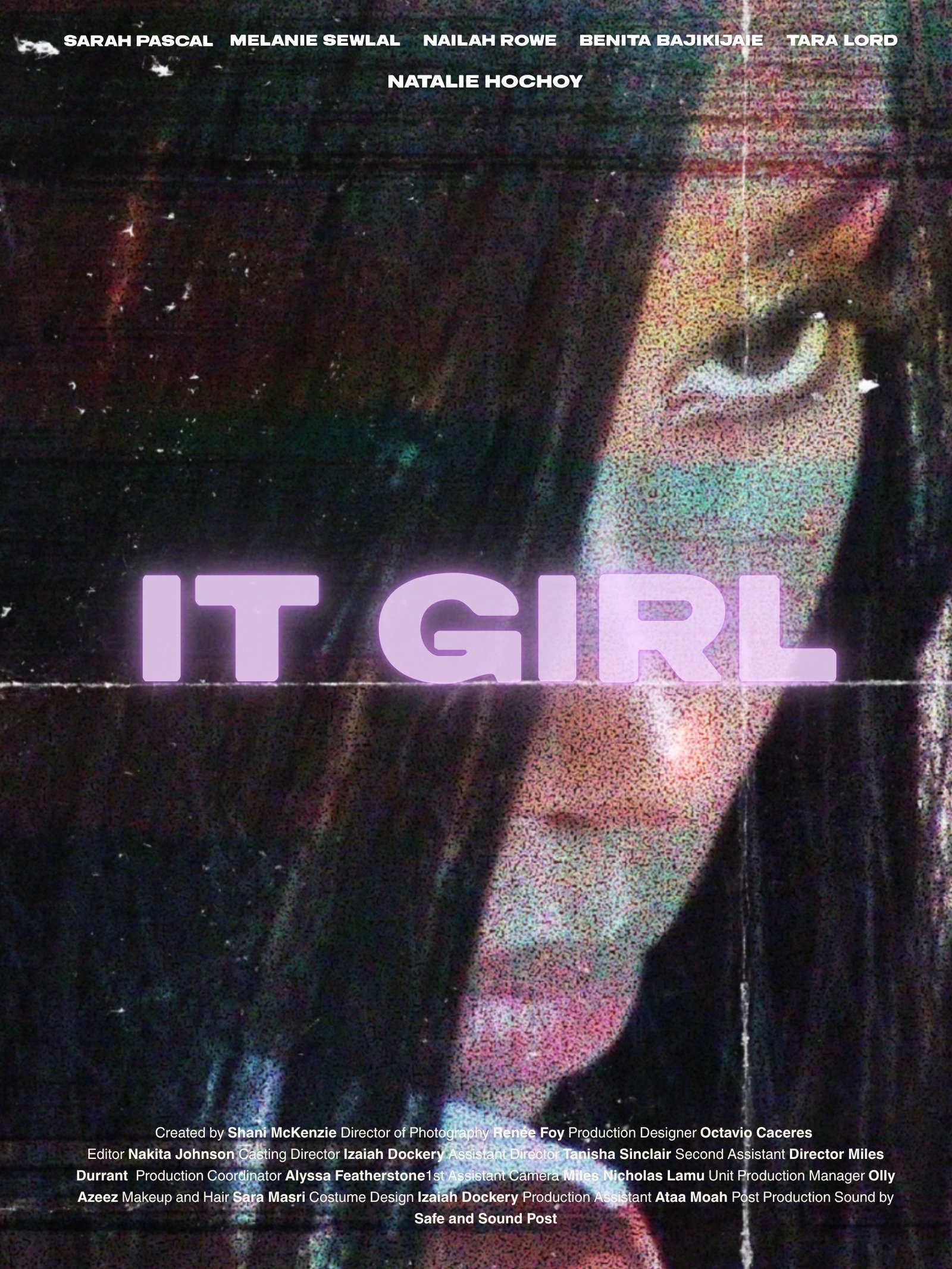
It started with a joke about a friend’s breast reduction.
Toronto filmmaker Shani McKenzie quipped that she wished she could take her friend’s extra fat and inject it into her own backside. The joke became “It Girl,” a horror short about a woman who kills other women to claim their body parts.
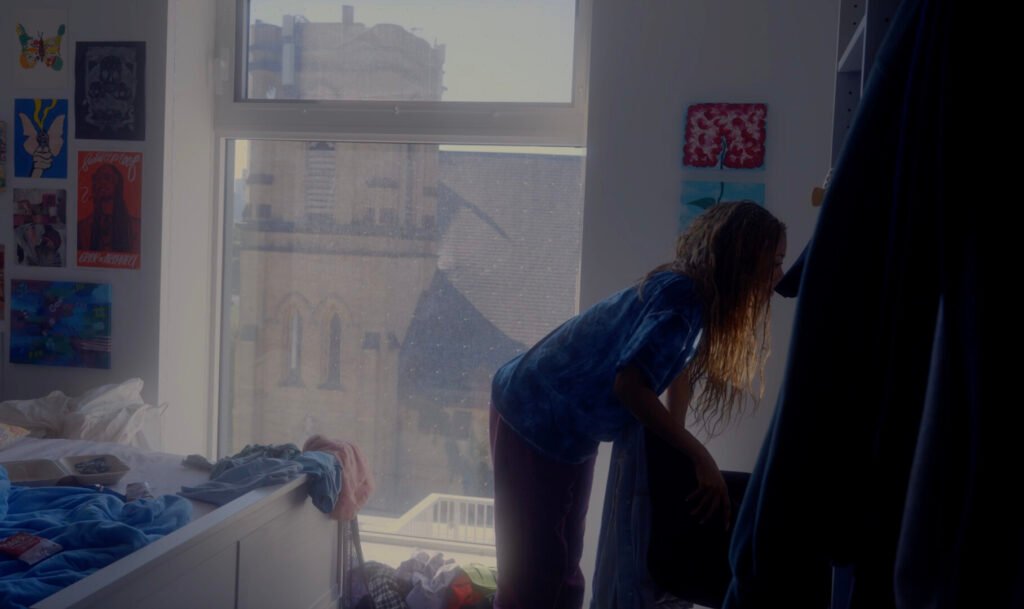
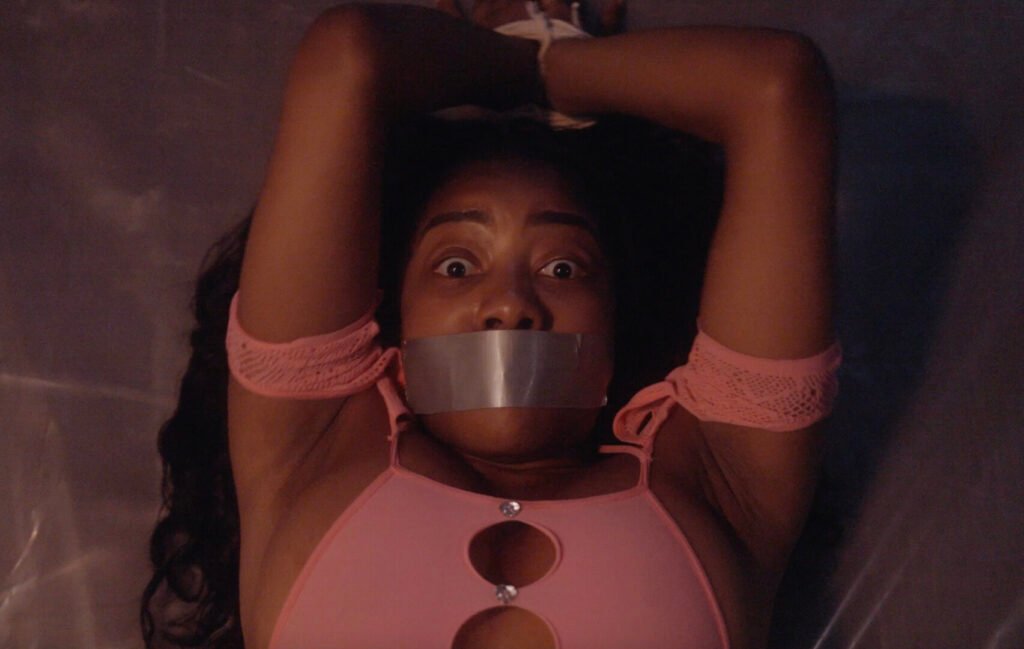
The film has no dialogue and was shot in a single day in McKenzie’s studio apartment. It screened at the Toronto Indie Horror Fest. Beneath the gore is a pointed look at beauty trends and the rage of women who can never keep up with them. McKenzie says the real horror is the chase itself.
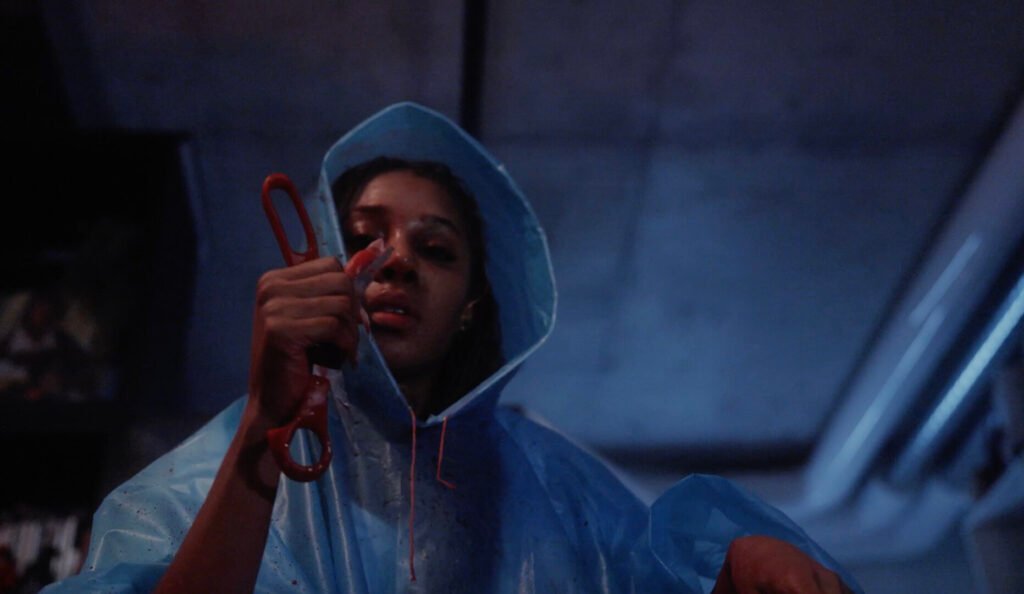
Table of Contents
From a Joke to a Killer
The conversation that followed the joke snowballed. The two friends began naming the parts of each other’s bodies they envied. McKenzie started to picture a woman who had grown tired of hating herself. Instead of dwelling on it, that woman would act.
McKenzie says she likes to push ideas to their extremes. She treats those scenarios as a kind of escapist fantasy land.
“So all in all, it started with my friend’s big boobs,” McKenzie said.
The Cycle of the Perfect Body
The joke grew into something heavier. McKenzie says being a woman can be exhausting, and one thing in particular has stayed with her. Women’s bodies move in and out of fashion at a dizzying speed.
Every woman was once a young, impressionable girl who believed she had to reach an ideal to be pretty. McKenzie says the effort to get there is endless. There are the products, the diets and the routines. Reaching the target can still feel impossible.
She wanted her character to step out of that cycle. Instead of putting in the work, the character simply takes.
The pressure starts early, McKenzie says. It is ingrained in girls from a young age, and many women carry it for life. Only the lucky ones are strong enough to break free.
Research backs up the idea that the pressure is real. A 2008 analysis from the University of Wisconsin-Madison pooled 77 earlier studies involving more than 15,000 participants. Women shown images of ultra-thin models and actresses reported more concern about their bodies than women who were not. That included body dissatisfaction and a greater likelihood of unhealthy eating habits, such as excessive dieting.

Rage Without Words
McKenzie says her lead stands for a feeling many women know well.
“She is the personification of the female rage,” McKenzie said.
The character is not just comparing herself with actresses, friends and magazine models. She now measures herself against hundreds of women online, every waking minute. McKenzie says those women are not the problem. The problem is the culture that sells a lifestyle along with the look.
The message, as McKenzie reads it, is that you can be the standard, chase the standard or feel bad about missing it. The character believes becoming the “It Girl” will finally quiet those voices. She will do whatever it takes to get there.
Telling the Story Without Dialogue
McKenzie has long admired scenes in film history that work without a word of speech. She wanted to try one herself.
She also did not feel the character needed to explain herself. McKenzie says her main audience is women, and they understand what the character is doing without help.
Dialogue would have been a harder choice, she says. Spoken lines would only have encouraged viewers to look for an explanation behind the killings.
“There’s no true justification for what she does, so without dialogue you just have to accept her actions,” McKenzie said.
An Ending Left on the Cutting Room Floor
The finished film ends differently from the script. In the original version, the character gets the body she killed for. That same night, she goes online and sees that a new trend has arrived. The new look is one she does not fit.
The audience would have watched blood drip onto her phone. She would then have looked straight into the camera in agony, knowing she could never keep up.
The crew shot the entire film in one day. By the 12-hour mark, everyone was tired, and that last scene was nearly impossible to capture. The team got some footage, but it did not work in the edit.
McKenzie’s editor, Nakita Johnson, suggested stopping earlier. The film now ends when the character finally has her body. She wears a look of evil contentment.
The two endings carry different messages. The original said that a poor self-image is the horror. The final cut says that chasing a beauty standard is horrific.
“I think both work, but I do wonder what it would have been like if the script played out,” McKenzie said.
Related Articles
- Whalefall Movie Review: A Creature Feature With Grief In Its Belly
- ‘Curtains’ Horror Short Film Turns A Furniture Warehouse Into A Slasher Maze
- Horror Of The North: How An Inuit Monster Terrifies Viewers On The Big Screen
- Species (Sanguine) Is A French Body Horror Built For A Burned-Out Generation
Restraint in Body Horror
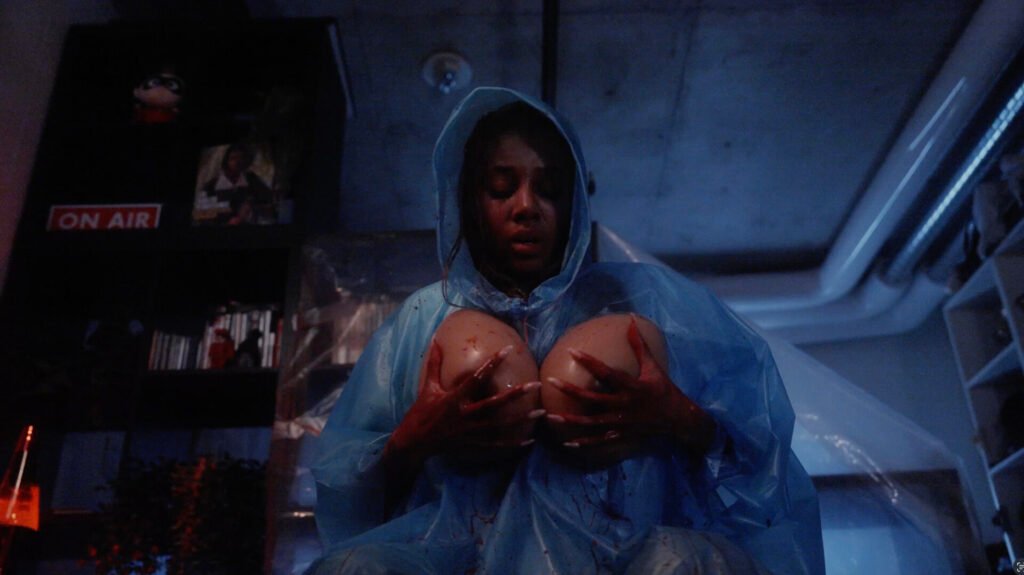
Body horror is a genre built on bodies, and McKenzie was well aware of how it has treated women on screen. She kept that history in mind while making the film.
“Body horror, historically, is extremely and unnecessarily violent to women’s bodies,” McKenzie said.
She chose to limit the mutilation and pain shown on camera. The audience sees what the character wants from her victims and what she does to get it. Viewers can read the rest between the lines.
The crew was mainly women. McKenzie says that made the set more comfortable, given the subject matter of the shoot.
Why Horror Works
McKenzie traces her love of the genre to the 1956 film “The Bad Seed.” It is the first horror or thriller she remembers watching, and it left her stunned. The Toronto-based director has been drawn to thrillers, mysteries and horror ever since.
She is especially fond of wild, over-the-top characters. She tries to find the human being inside each one and understand why they act as they do.
Horror suits a story like “It Girl,” she says, because beauty and self-image are delicate subjects. Handled badly, they can come across as tone-deaf or condescending. Horror takes everyday pressure points and turns them into an extreme response. Viewers can find that response cathartic.
“Horror handles sensitive topics in a way other genres are too limiting to do,” McKenzie said.
She adds that the genre sets few limits. A story can unfold anywhere. Anything can happen without explanation, and a filmmaker can make it as serious, funny, gory or loud as they like.

Shock, Then Laughter
Many women have told McKenzie they understand the character completely. They know the frustration of feeling that their looks are never enough. They also know how infuriating the cycle can be.
Shock is the audience’s first reaction to the film. Then comes humour, which McKenzie believes is the only way to get past that kind of heavy rage and stress.
“I hope I validate that anger and then make them laugh to take the seriousness away,” McKenzie said.
The title has its own meaning for her. She calls it corny, but she believes the real “It Girl” is a woman who has worked out who she wants to be. That includes how she allows others to treat her.
“Being authentic and truly confident with no outside validation that who you are is acceptable is the most ‘It Girl’ thing ever,” McKenzie said.

A Toronto Shoot, Start to Finish
The production was entirely local. McKenzie filmed in her own studio apartment and her Toronto neighbourhood, all in a single day. She thanks a patient and passionate cast and crew for backing her unusual vision.
What Comes Next
McKenzie plans to keep making horror. She has other artistic goals for later in life. For now, she has one key goal
“I want to get some more unhinged women on the screen,” McKenzie said.
Her next project is already in the works. She says audiences can expect to see it at festivals next year.