

The folklore of Barbados, like that of many Caribbean islands, is a unique blend of African, European and Indigenous influences. Among its haunting stories, the tale of La Diablesse stands out. Some call her La Diablesse. She’s beautiful. And deadly. This supernatural figure appears, at first glance, to be a charming woman. But her beauty masks an evil spirit intent on luring unsuspecting people to their doom. Her story lives on, captivating and frightening generations of Barbadians.
This guide explores where La Diablesse legend comes from. It examines how she hunts, why she still resonates with Barbadians today and how her story fits into a wider Caribbean folkloric tradition. Understanding La Diablesse means understanding a piece of Barbados’s colonial past, told through the language of fear, beauty and caution.
Table of Contents
Origins of the La Diablesse Legend in Barbados
La Diablesse legend is rooted in Bajan culture. But Barbadians did not invent her alone. Versions of her story appear across the Caribbean. Her name comes from the French word “diable,” meaning devil. That origin hints at her sinister, haunting nature. La Diablesse legend traces back to a blend of African and French Creole traditions.
These traditions mixed West African spiritual beliefs with a distinctly European and patriarchal fear. That fear centred on seductive, supernatural women. Enslaved Africans on Caribbean plantations held onto fragments of their own beliefs during the colonial era. They wove those fragments into local lore. French colonial folklore contributed its own strand as well. From that tapestry of fear and fascination, La Diablesse emerged.
Her story became more than just a tale. It served as a warning. Elders and parents passed the tale down through generations. It reminded men, in particular, about the risks of wandering out alone at night. It warned against chasing what remains unknown. She’s seductive but perilous. And she always stays one step ahead of her prey. One of the earliest written accounts of the legend appears in Lafcadio Hearn’s 1890 travel narrative, which recorded Martinique’s oral folklore for an English-speaking audience for the first time.

La Diablesse’s Alluring Yet Telltale Appearance
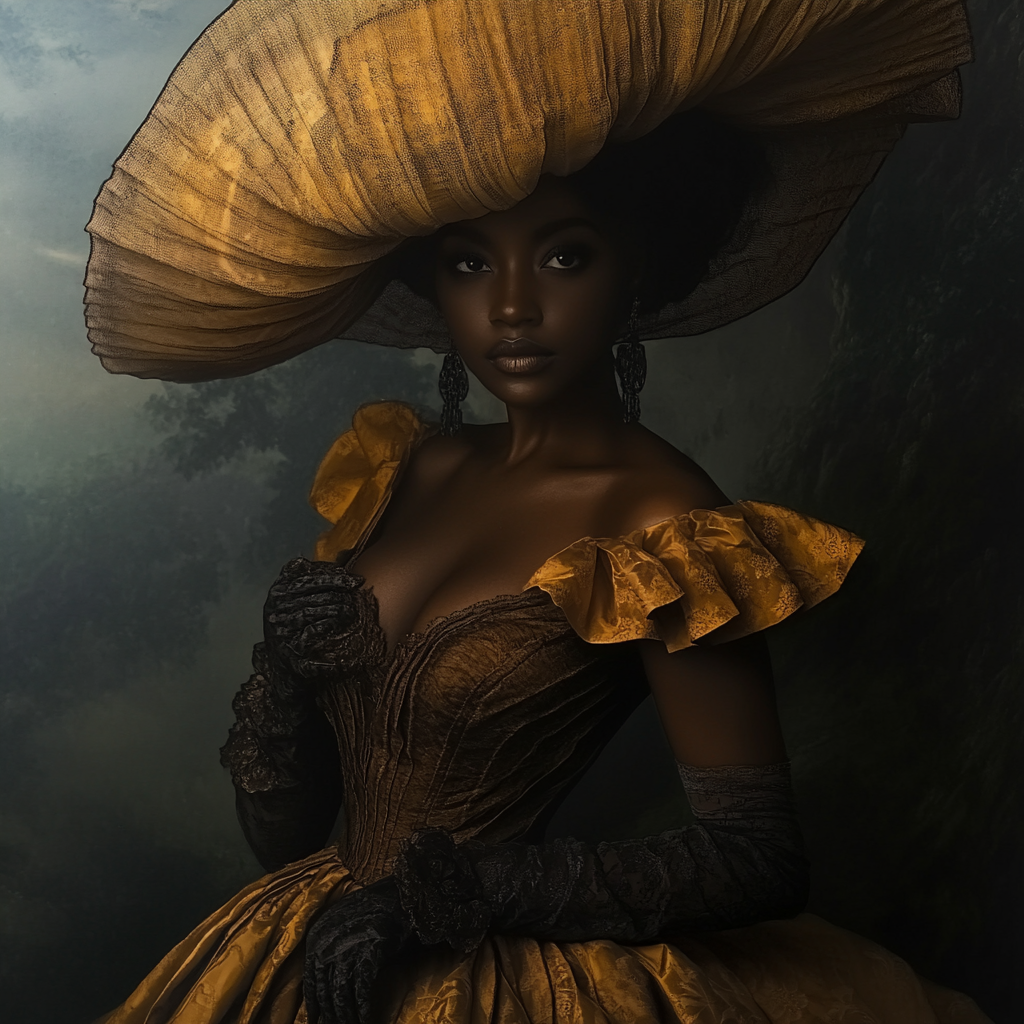
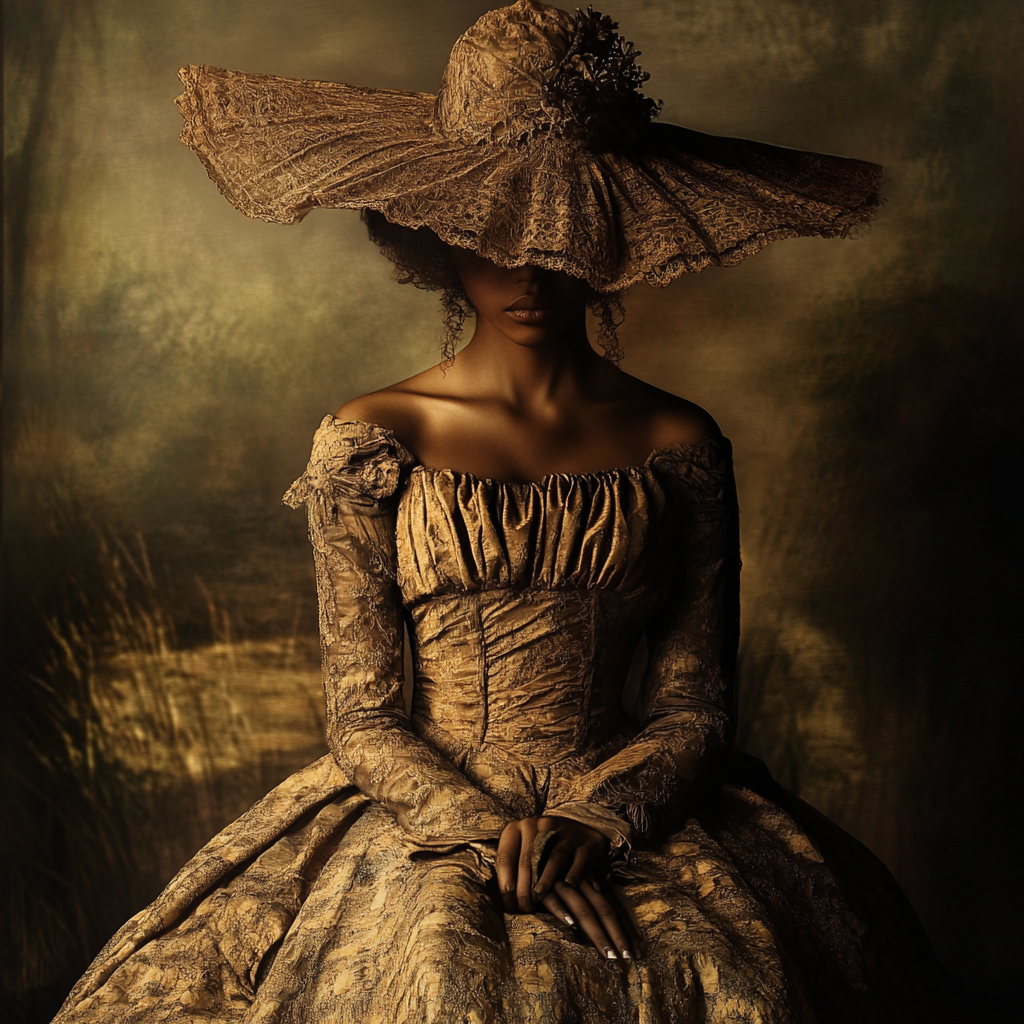
La Diablesse is known for her beauty, a beauty unlike any other. But a careful observer notices signs. Storytellers often describe her wearing a long, flowing dress. That dress conceals her body, especially her feet.
Beneath the dress hides her true mark. One foot, often cloven, resembles a hoof. This detail is distinctly devilish. Her hoof hints at the sinister side she conceals from view. Bajans consider this the surest way to identify her before it becomes too late.
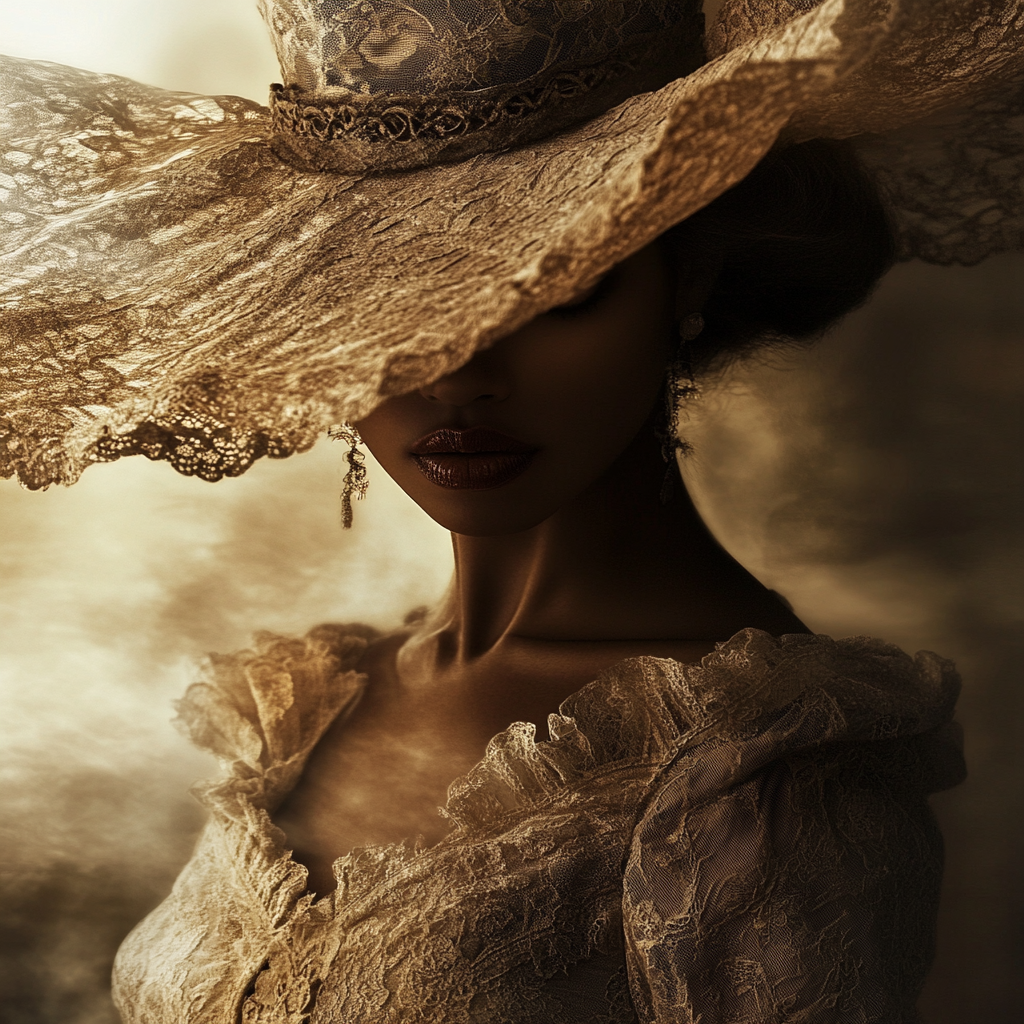
Her face carries its own mystery. A wide-brimmed hat or a veil often obscures it partially. This covering only intensifies her allure, even as it hides her true intentions. Some say her beauty overwhelms men so completely that they become entranced. A single glance can work like a spell. It’s a powerful charm. It’s also a trap, carefully set for anyone too curious to look away.
How La Diablesse Hunts: Her Methods and Motivations
La Diablesse does not attack her victims outright. Instead, she relies on her beauty, her charm and her allure. Men encounter her, often while walking alone at night. Sometimes they are lost in thought when she appears. She enchants them. They follow her, drawn deeper into the night and into the unknown.
She leads her victims astray. She winds through dark forests or down secluded paths, always staying just out of reach. Eventually, she disappears entirely. Her victims are left bewildered and lost. Sometimes they never make it back home.
In some stories, victims of La Diablesse turn up dead. They stumble into rivers or fall from cliffs while chasing her. Others turn up wandering, dazed, with no memory of how they got there. Her method does not rely on direct harm. Instead, she relies on the subtle manipulation of desire, curiosity and even greed. Her power comes from her ability to exploit human weakness. She targets those too eager to follow a stranger into the dark. La Diablesse does not need to touch her victims at all. She simply waits for them to make the fatal choice themselves.
La Diablesse Across the Caribbean
Barbados is not alone in telling La Diablesse stories. Versions of this legend circulate throughout the French and English-speaking Caribbean, including Trinidad, St. Lucia, Dominica and Martinique. Each island adds its own details to the core legend, while the basic warning stays consistent everywhere.
In Trinidad, storytellers sometimes describe La Diablesse alongside other well-known folkloric figures. Papa Bois, the guardian spirit of the forest, is one such figure. Some versions of the legend even link La Diablesse to Papa Bois directly. In these versions, she acts as his agent. She punishes men who disrespect the forest. She also punishes men who pursue women disrespectfully. In St. Lucia and Dominica, French Creole influence remains especially strong. La Diablesse often appears in Kwéyòl storytelling traditions there. Families pass these traditions down through generations.
This wide geographic spread reflects the shared colonial and cultural history across the French and English Caribbean. Enslaved and colonized communities across multiple islands blended similar source material. African spiritual belief mixed with European superstition on each island. The result produced related but distinct local legends. La Diablesse, in this sense, belongs to a broader Caribbean folkloric family rather than to Barbados alone. Bajan versions of her story nonetheless carry their own local texture, shaped by the island’s specific history and geography.
Barbados also lacks the dense rainforest found on islands like Dominica or St. Lucia, and this geography shapes how Bajans tell her story. Storytellers here place her more often along cane field boundaries, drainage gullies and rural lanes rather than deep forest paths. This adaptation shows how a shared Caribbean legend bends to fit the specific landscape of each island that tells it.
Related Articles
The Duppy of Barbados: The Island’s Haunting Spirits
The story of Heart Man: Barbados’ darkest folklore
A Tale of Moving Coffins in Barbados (Chase Vault)
The Steel Donkey: Barbados’ Clanking Phantom of the Night
The Haunted George Washington House
The Ti-Bolom: Saint Lucia’s Little Man Who Works for the Devil
Horror Short Film, All Skin No Laugh, rooted in Caribbean Folklore
The Moral Lessons Behind La Diablesse Folklore
In Barbados, La Diablesse is not just a ghost story. She serves as a lesson. She embodies the dangers of temptation and the risk of letting surface beauty deceive. Her story warns young men, in particular, against straying out late, drinking too much or acting on impulsive desire.
But she represents more than a simple moral. She symbolizes the duality of beauty and danger at once. Her story carries a clear reminder: looks deceive, and beauty can hide real threats beneath it. This lesson extends well beyond romantic or sexual contexts. Bajans also use her story to warn against trusting appearances in business dealings or social situations more broadly.
La Diablesse also embodies the mysteries of the natural world. She represents the spirits believed to exist just beyond human sight. Barbadian society has long held a deep connection to nature. This connection ran especially deep during the plantation era. Survival back then often depended on careful observation of the land. Her tale reminds people to approach the unknown with respect and caution rather than reckless curiosity.
Encountering La Diablesse: Protective Beliefs and Warnings
Bajan folklore offers specific advice for anyone who suspects they have encountered La Diablesse. Storytellers often say a person should never look directly into her eyes, since her gaze carries much of her seductive power. Looking away, rather than staring, gives a potential victim a chance to break free of her spell.
Tradition also holds that turning one’s clothes inside out can confuse or repel La Diablesse. This belief echoes similar protective customs found elsewhere in Caribbean and West African folklore. In many of these traditions, reversing clothing disrupts a spirit’s recognition of its target. Some storytellers add that carrying salt, much like Bajan duppy folklore recommends, offers an additional layer of protection against her.
Elders traditionally warned young men to avoid walking alone on rural roads after dark. This warning applied especially near forested areas or riverbanks. Storytellers say La Diablesse favours these locations for her appearances. This warning served a dual purpose. It reinforced the folkloric lesson while also encouraging genuinely safer behaviour on poorly lit, isolated roads at night.
La Diablesse in Bajan Art, Music and Storytelling
As Barbados has modernized, literal belief in La Diablesse has faded for many residents. But her legend has not disappeared from Bajan cultural life. Stories about her still surface regularly in everyday conversation. Many Barbadians recall tales told by grandparents about encounters with her. Others recall stories about friends or neighbours who swore they saw her themselves.
Her legacy extends well beyond spoken stories. La Diablesse has inspired local art, music and literature for generations. She embodies feminine mystery, power and danger all at once. She appears in paintings, in poems and in songs, often portrayed as a tragic yet powerful figure. Artists frequently depict her as a figure who resists being fully understood or contained.
In recent years, renewed interest in preserving Caribbean folklore has brought fresh attention to La Diablesse as a key cultural figure. Cultural events, festivals and storytelling gatherings frequently showcase her tale today. These events introduce younger generations to her timeless allure and mystery. They help ensure the legend survives beyond the households where it first took root.
La Diablesse in Popular Caribbean Imagination
La Diablesse also occupies a distinct place in the broader Caribbean feminist reimagining of folklore. Some contemporary writers and artists have begun reinterpreting her story. Their work questions a pattern in regional folklore. That pattern often frames dangerous women as monstrous. It frames similarly dangerous men as merely reckless or unlucky instead. These newer interpretations do not erase the traditional warning embedded in her tale. Instead, they add a critical, modern lens to a centuries-old story.
This reinterpretation reflects a wider trend across Caribbean horror and folklore scholarship. Cultural critics increasingly examine how colonial-era folklore encoded gendered fears about women’s autonomy and sexuality. Folklorists have also noted parallels between La Diablesse and other beautiful, dangerous women in world folklore, such as Mexico’s La Llorona, suggesting a shared archetype that spans well beyond the Caribbean. La Diablesse, framed this way, becomes not just a monster but a mirror. She reflects the anxieties of the society that first told her story, anxieties that Barbadians continue to reckon with today.
Common Bajan Warnings and Expressions About La Diablesse
La Diablesse shows up in everyday Bajan speech, not only in formal ghost stories. Parents have long invoked her to discourage teenage sons from wandering off at night with strangers. A young man who arrives home late, distracted or unusually charmed by someone new, might get a knowing warning about La Diablesse from an older relative.
Some expressions link La Diablesse specifically to poor judgment in romantic matters. A man who falls for the wrong person too quickly might get teased about “following La Diablesse” down a bad path. This usage treats her less as a literal threat and more as a shorthand for reckless infatuation. It shows how folklore can evolve from genuine fear into a lighter, cautionary metaphor over time.
Other expressions focus on her physical tell, the cloven foot hidden beneath her dress. Bajans sometimes use this detail figuratively, warning that “something’s not right” about a person or situation that looks too good on the surface. This phrase captures La Diablesse’s core lesson in a single, portable image. It has outlived the specific ghost story that first produced it.
La Diablesse and Barbados’ Colonial Gender Politics
Understanding La Diablesse requires understanding the world that produced her. Colonial Barbados operated under strict, often brutal, control over both enslaved people and women more broadly. Folklore historians note that many Caribbean legends featuring dangerous, seductive women emerged from societies deeply anxious about female independence and sexuality.
La Diablesse punishes men, on the surface, for their own recklessness. But her story also reflects a deeper cultural unease about women who operate outside male control. She cannot be owned, predicted or tamed. She exists entirely on her own terms, appearing and disappearing as she chooses. That independence, framed as monstrous in the traditional telling, reads differently through a modern lens.
Some Caribbean scholars and writers have started to reclaim La Diablesse as a figure of feminine power rather than pure menace. In this reading, her supernatural strength represents resistance rather than simple evil. She refuses to play the passive role that colonial society expected of women. This reinterpretation does not erase her frightening reputation. Instead, it adds a layer of meaning that speaks directly to contemporary conversations about gender and power in the Caribbean.
This shift in interpretation matters beyond academic circles. Younger Bajans encountering La Diablesse through social media or contemporary art often meet a version of her story shaped by this newer lens. She still frightens. But she also intrigues audiences in a different way than she once did. The legend proves flexible enough to carry both readings at once, the traditional warning and the modern reclamation, without either one cancelling out the other.
Why La Diablesse Continues to Captivate Barbadians Today
La Diablesse of Barbados is more than a ghost story. She stands as a symbol of Bajan identity, heritage and mystery, and she represents both the allure and the danger of beauty at once. La Diablesse embodies the seduction of the unknown. For generations, she has entertained and terrified Barbadians alike, her story echoing through oral tradition, art and culture. She sits alongside figures like the duppy and the Steel Donkey in a wider Bajan tradition of using the supernatural to teach caution and preserve memory.
Today, La Diablesse remains an icon of Barbadian folklore. Her tale resonates for more than its eerie quality alone. It carries values that Bajans still recognize. Chief among them is respect for what cannot be seen. Caution toward what can only be partially understood matters just as much. As she lives on in stories, festivals and art, she connects the past to the present. She reminds Barbadians of their rich, complex heritage. And she reminds them of folklore’s enduring power. That power lies in its ability to reflect life’s mysterious, sometimes dangerous dance between beauty and peril.
Frequently Asked Questions About La Diablesse of Barbados
What does the name La Diablesse mean? La Diablesse comes from the French word “diable,” meaning devil. The name reflects her sinister, seductive nature in Bajan and wider Caribbean folklore.
How can someone identify La Diablesse? Bajan folklore points to one telltale sign above all others. A cloven foot, often hidden beneath a long flowing dress, marks her as something other than human.
Is La Diablesse unique to Barbados? No. Versions of the La Diablesse legend appear across the Caribbean, including in Trinidad, St. Lucia, Dominica and Martinique. Each island adds its own local variations to the core story.
Do Barbadians still believe in La Diablesse today? Literal belief has faded for many, but her story remains an active part of Bajan cultural identity, discussed in families, festivals and local art alike.
A Colonial-Era Anxiety
La Diablesse endures because her story does more than frighten late-night wanderers. She captures a specific colonial-era anxiety about beauty, temptation and the unknown. She still speaks to universal questions about trust and appearance today. Whether or not a person believes she walks Barbados’s dark roads at night, her legend still offers something real. It opens a genuine window into the island’s African and French Creole heritage. That heritage, more than any single ghost story, is what keeps La Diablesse alive in Bajan memory, passed from grandmother to grandchild long after the roads she once haunted got streetlights.