
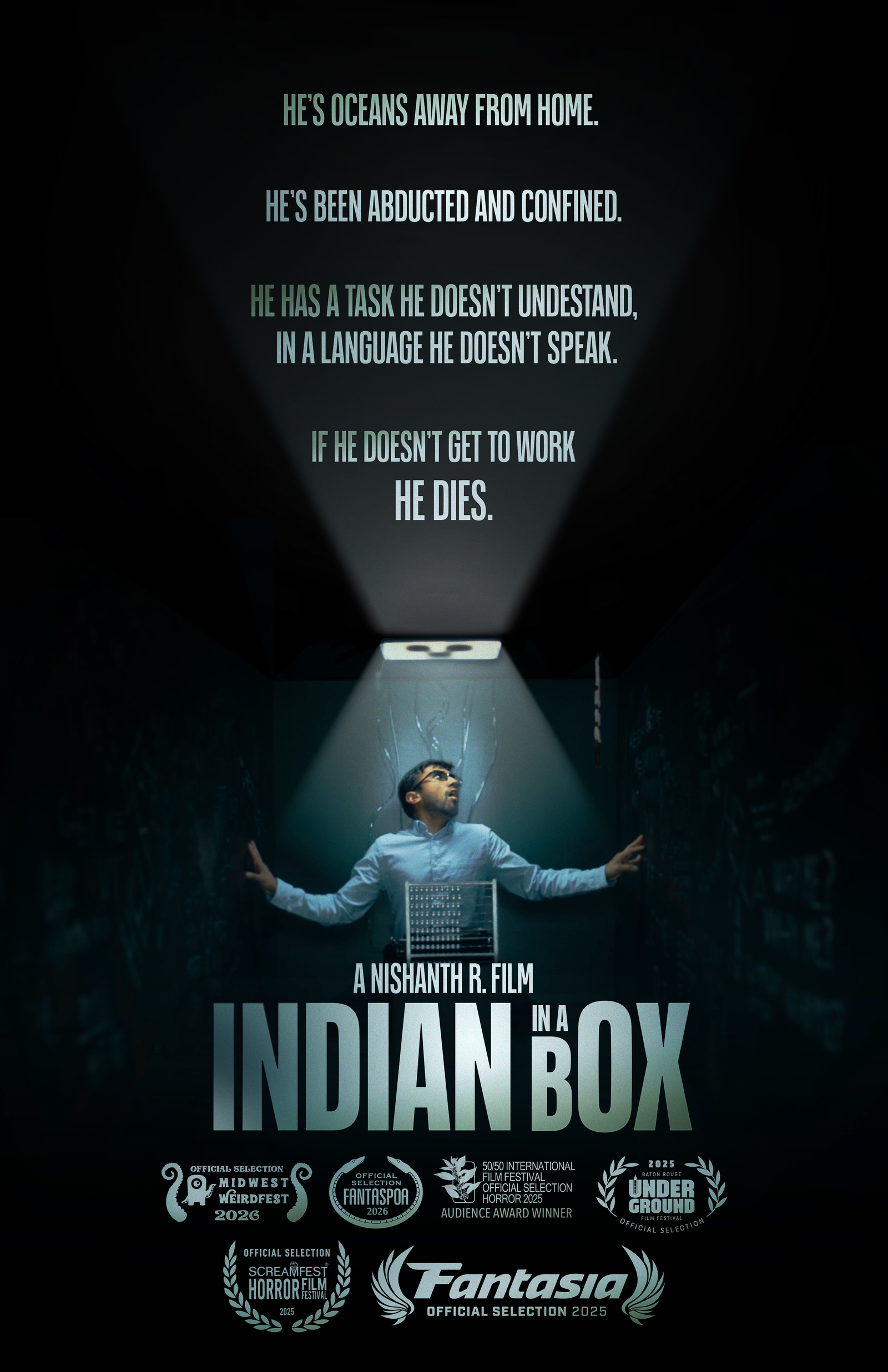
It started with a joke at a self-checkout machine. Nishanth Ramasubramanian scanned his groceries, watched the screen guide him through each step and thought, “What if there was a guy in there?”
That throwaway thought became Indian in a Box, a horror-comedy short about an Indian immigrant who wakes up trapped inside a customer service kiosk. The film premiered in the Diasporic Dualities block at the Fantasia International Film Festival in 2025. It has since screened at major festivals around the world, including Screamfest, Fantaspoa and the Galway Film Fleadh. Ramasubramanian spoke about the film’s origins, its layered metaphor and why he let a joke curdle into genuine dread.
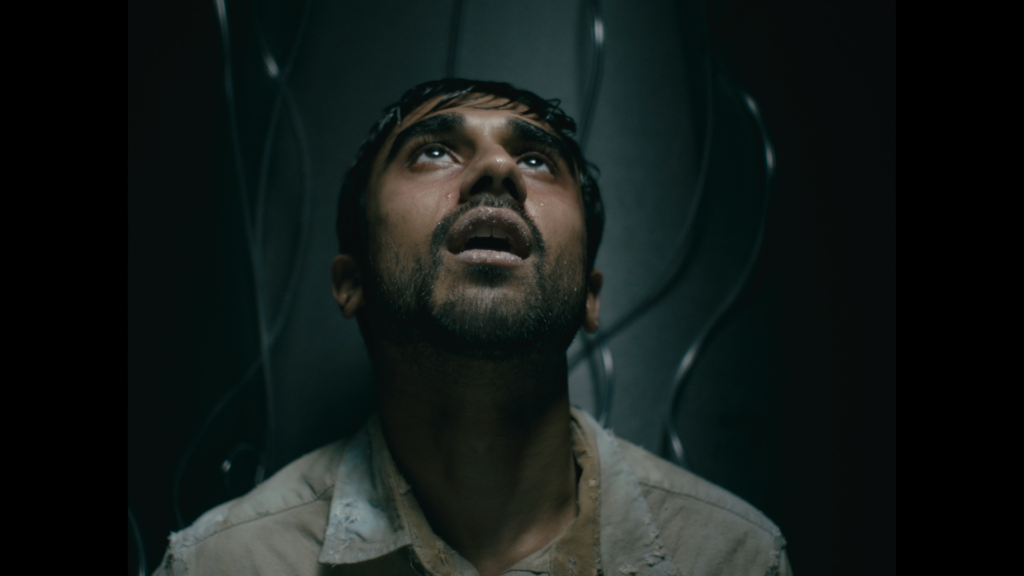
Table of Contents
The Box as a Stand-In for Hidden Exploitation
Ramasubramanian said he does not want to dictate a single reading of the box. Still, he and co-writer Nathan Xia built the idea around one core intention.
“Our intent was to encapsulate the exploitation of the Global South (whether in the form of outsourcing or immigrant labor) by ‘first-world countries,'” he said. The pair drew from underpaid immigrants in service and tech jobs, and factory workers earning piece-wages across Asia. They also thought of unseen labour propping up systems marketed as automated. What tied those references together, he said, was that the exploitation stays hidden from the people who benefit from it.
Related Articles
How the horror film, MEAT, disrupts the male gaze
When Male Silence Turns Monstrous
A $400 horror short film that exposes the beauty industry’s darkest secrets
‘We’re All Haunted Here’ Rethinks the Haunted House Horror Film
iPhone Horror Short Film, Signal, Imagines a World Without Wi-Fi
A Personal Reckoning With Identity
The film draws on Ramasubramanian’s own move from Chennai to Los Angeles. He said he grew up idolizing the West and feeling embarrassed by his Indian identity, and he barely spoke his native language.
Living in the United States reversed that. “My experiences in the States only made me realize how Indian I truly am,” he said. He described trying to assimilate by ignoring his cultural roots as something that felt like severing a piece of himself. That tension between two cultures now runs through his work, including his earlier comedy short Phil Gunderson Teaches Screenwriting.

Why Comedy Curdles Into Horror
Indian in a Box began as a straightforward absurdist comedy, Ramasubramanian said. As he and Xia worked out how the box would actually function, the story darkened on its own.
He compared the shift to Saw, except the torture became psychological and economic rather than physical. Casting actor Anish Chandak sharpened that turn further. Ramasubramanian said Chandak’s raw performance made the material distressing in ways he had not fully anticipated going in. The project became his first real step into genre filmmaking, and he said it is where he now feels most creatively at home.
Quiet Exploitation, Not Overt Racism
Ramasubramanian said the film exists within a larger moment of rising hostility toward Indian students and workers in North America. No single incident inspired it, he said. He said many immigrants carry a constant sense that their place in a country feels conditional.
He was careful, though, not to make the film about overt racism. He said the exploitation he wanted to examine is quieter, embedded in economic systems and convenience. It rests on the expectation that certain people will absorb burdens so others can live easier lives. Because no one feels individually responsible for it, he said, it becomes harder to see and even harder to stop.
The Fear of Becoming Invisible
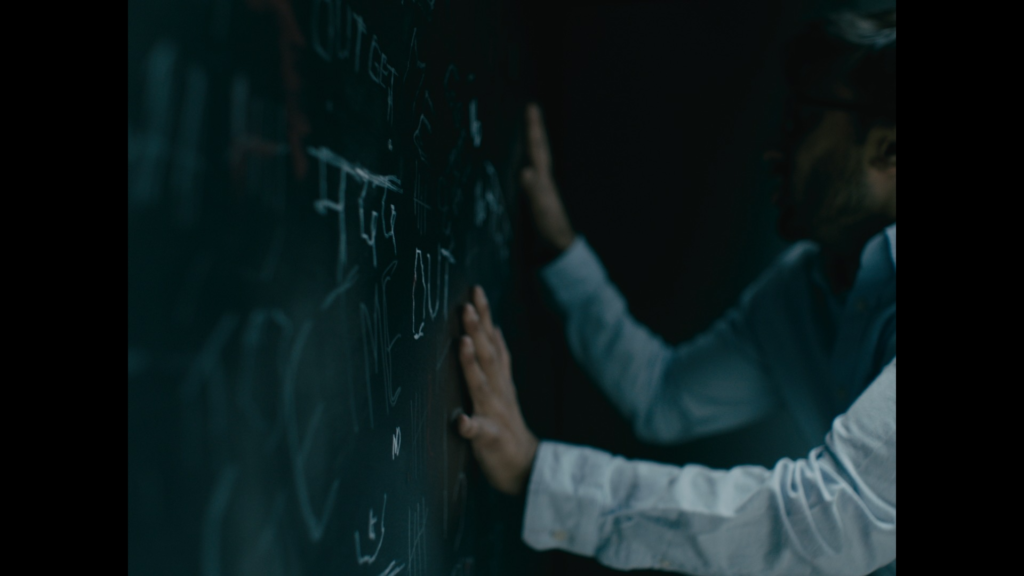
Asked about the specific fear driving the film, Ramasubramanian pointed past professional failure to something deeper. “I think even more fundamentally it’s the fear of becoming invisible,” he said.
He described how a move abroad often carries the weight of family sacrifice and community expectation. That weight creates pressure to endure hardship rather than reject it. Over time, he said, people can come to believe their suffering gives their life value, which pushes them further out of view. He said that fear extends well beyond immigration to anyone who ties their worth entirely to what they produce.
Setting the Horror Inside a Self-Checkout Machine
Ramasubramanian chose a customer service job for the setting because of its built-in irony. The industry exists to make customers feel seen while the workers behind it stay invisible, he said.
Self-checkout technology fit the theme even further. He said these machines are marketed as a frictionless automated future. Yet they still depend on enormous amounts of hidden human labour elsewhere in the world. That gap between what technology promises and what actually powers it shaped much of the film’s design.
How Audiences Respond Differently
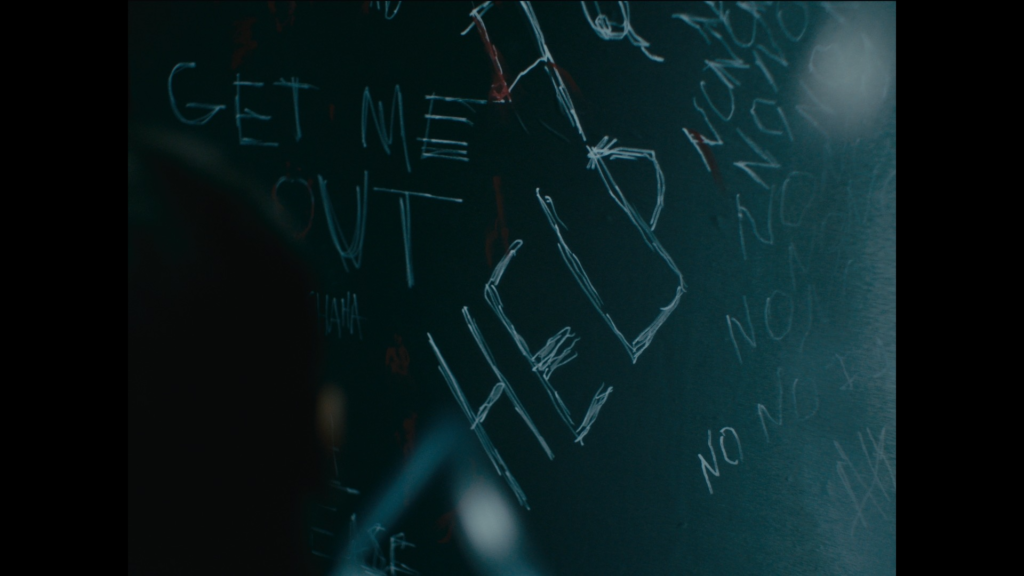
Ramasubramanian said general festival crowds and South Asian audiences connect with Indian in a Box in distinct ways. General audiences tend to focus on the mystery of the box first, then reassess everything once the ending reframes the story.
South Asian viewers, he said, often notice smaller details built into the film on purpose. Those details include a Hindu talisman and the way the character talks about home. Those details are not required to follow the plot, he said. But they land differently for people who have lived some version of that experience.
Exploitation Extends Beyond Borders
Ramasubramanian said the anxiety in the film is not limited to immigrants. He pointed to the many people across India and the wider Global South who never leave home. They still remain trapped in exploitative systems with little agency.
He said he did not want the film to suggest that exploitation starts the moment someone crosses a border. Borders, he said, simply make some forms of exploitation easier to hide. The larger question the film asks, he said, is what happens when people become interchangeable units of labour, regardless of where they live.
A Call for Empathy, Not Guilt
Ramasubramanian said he hopes viewers who have never worked abroad come away more curious about the people behind their everyday conveniences. He said it is easy to treat technology, customer service and globalization as abstract systems. In reality, they are networks built by real people with families and histories.
He said several viewers have told him they cannot walk into a grocery store anymore without thinking of Indian in a Box. He called that reaction heartening. Still, he said guilt was never the goal. “I hope it’s empathy,” he said. “The systems we’re critiquing are much bigger than any one consumer. But empathy is where meaningful conversations, and meaningful action, begin.”
Indian in a Box continues its festival run, carrying that message to audiences one screening at a time.
Ramasubramanian is already at work on his next projects. He is developing another horror-satire short film set in the United States, along with a darkly comedic thriller feature set in India. Hollywood veteran John Altschuler, known for Silicon Valley and King of the Hill, will produce both.