
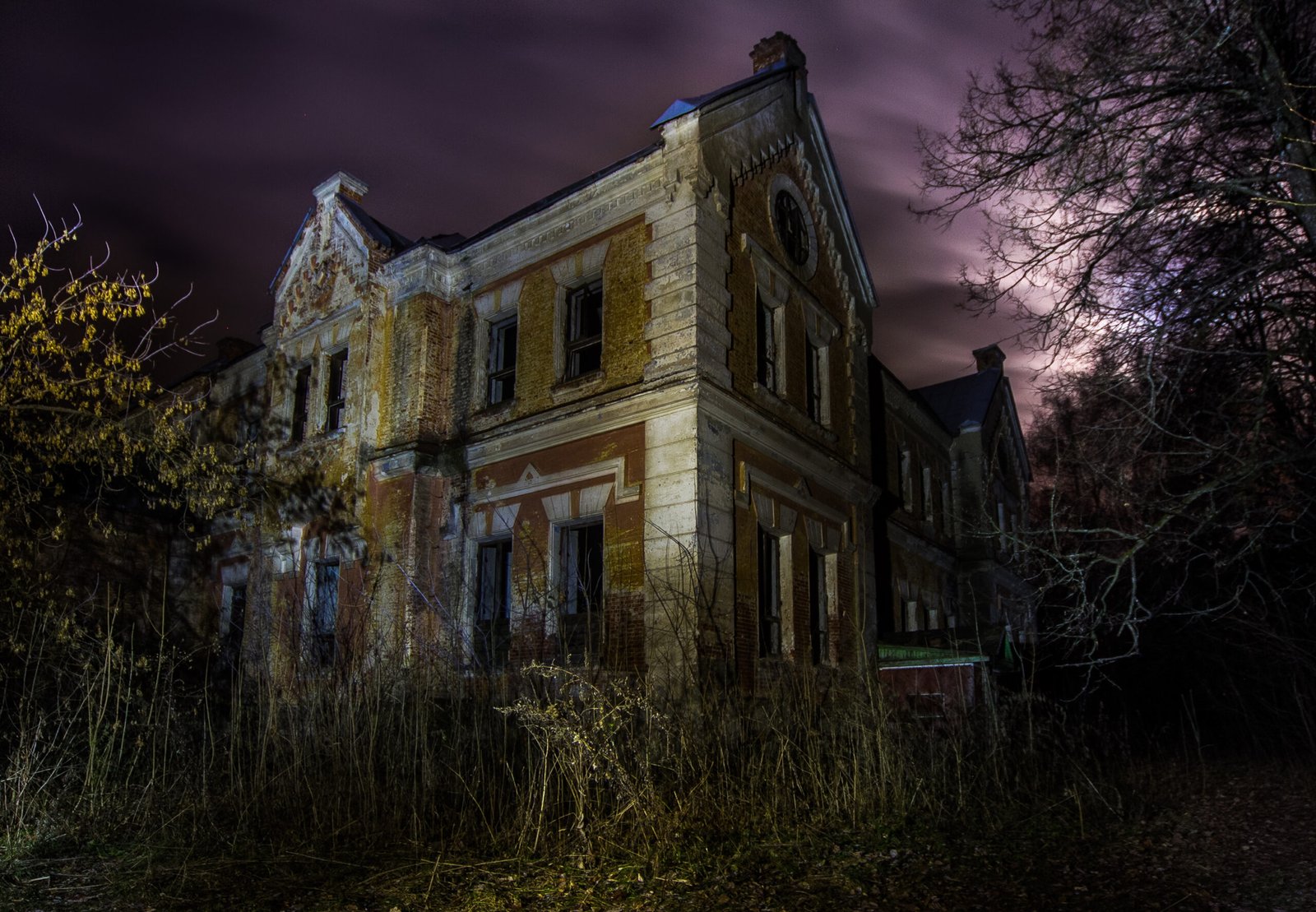
Creaking floorboards, eerie whispers, and moving shadows—haunted houses have terrified us for centuries. But where did this spine-tingling concept originate?
What drives our fascination with these supposedly spirit-infested dwellings? The history of haunted houses is as rich and complex as the ghostly tales they inspire. It spans from ancient Roman ghost stories to Victorian séances, and from Gothic literature to modern horror films.
The concept of the haunted house has evolved dramatically over time. Yet, it continues to captivate our imagination and tap into our deepest fears.
I want to explore how different cultures and eras have shaped our understanding of haunted spaces. In this piece, I’ll look at the origins of common haunted house tropes and their reinvention for each generation.
Whether you’re a history buff, a horror enthusiast, or simply curious, there’s something here for everyone. Prepare to be spooked, intrigued, and gain a new appreciation for those things that go bump in the night.
Related Articles
Bukwas: The Wild Man of the Woods You Don’t Want To Meet
The Skinwalker: A Shape-Shifting Creature of Terror
Shadow People: Unveiling the Dark Figures of the Paranormal
Second-Hand Shopping Horrors: When Cursed Items Find New Homes
The Horror of Artificial Intelligence: Unexplained Behaviours Leave Experts Puzzled
Whispers from the Web: Uncovering Internet Urban Legends
Exploring the World’s Most Eerie and Haunted Forests
Ancient Haunted House History: Ghostly Dwellings in Rome
Spirits inhabiting buildings is an ancient idea. One of the earliest haunted house accounts comes from ancient Rome. Pliny the Younger wrote about a ghost-ridden house in Athens.
His story set the template for future haunted house tales.
Medieval Haunted House History: Fairies and Jinn
During these periods, beliefs about haunted locations varied across cultures. In the British Isles, fairies were often blamed for paranormal activity. Pre-Islamic and Islamic cultures attributed hauntings to invisible beings called Jinn. As fairy beliefs waned in England, ghosts became the primary focus of haunting narratives.
Gothic Revival: Shaping Haunted House History in Literature
Moving forward, the 18th and 19th centuries saw a surge in haunted house stories. This was largely due to the Gothic literary movement. Horace Walpole’s The Castle of Otranto is considered the first Gothic novel. It featured a cursed castle full of supernatural occurrences. Edgar Allan Poe and Charles Dickens also contributed to the genre. These works established many tropes we associate with haunted houses today.
Victorian Haunted House History: Spiritualism and Death Obsession
Subsequently, the Victorian period significantly influenced our modern concept of haunted houses. The Spiritualism movement gained popularity during this time. Gothic literature flourished, captivating readers with dark tales. Post-mortem photography reflected the era’s fascination with death. These elements laid the groundwork for the haunted house as we know it.
The Lost Colony of Roanoke: A Tale of Mystery and Spectral Whispers
The Legacy of Witch Hunts Continue to Haunt Us
Reclaiming Horror: Indigenous Voices Transform the Genre
The Castle Count Dracula Never Knew
Bringing Nightmares to Life with Latex Masks
The Night Doctors: Truth Behind This Dark Legend
20th Century Haunted House History: Pop Culture Emergence
As time progressed, haunted houses transitioned from folklore to mainstream entertainment. The 1927 film The Cat and the Canary launched the haunted house genre in pop culture. Communities organized “ghost houses” during the Great Depression.
Disney’s Haunted Mansion ride opened in 1969, solidifying the haunted house as a cultural icon. Hollywood embraced haunted house stories, producing classic horror films.
Modern Haunted House History: Entertainment and Investigation
Today, haunted houses serve various purposes. Halloween attractions offer thrilling experiences for visitors. Paranormal investigation shows cater to those interested in real hauntings. Haunted house stories continue to evolve in literature and film. They explore new themes and perspectives, keeping the genre fresh and exciting.
In conclusion, the enduring appeal of haunted houses lies in their ability to fascinate and terrify. From ancient ghost stories to high-tech attractions, they captivate our imagination.
The haunted house remains a powerful symbol of our fascination with the unknown and our desire for thrills.

6 Comments
Bukwas: The Wild Man of the Woods You Don't Want To Meet - Your source for all things horror
August 24, 2026[…] Haunted Houses: Tracing the Origins of a Cultural Phenomenon […]
Shadow People: Unveiling the Dark Figures of the Paranormal - Your source for all things horror
August 24, 2026[…] Haunted Houses: Tracing the Origins of a Cultural Phenomenon […]
Second-Hand Shopping Horrors: When Cursed Items Find New Homes - Your source for all things horror
August 24, 2026[…] Haunted Houses: Tracing the Origins of a Cultural Phenomenon […]
The Horror of Artificial Intelligence: Unexplained Behaviours Leave Experts Puzzled - Your source for all things horror
August 24, 2026[…] Haunted Houses: Tracing the Origins of a Cultural Phenomenon […]
Exploring the World’s Most Eerie and Haunted Forests
August 24, 2026[…] Haunted Houses: Tracing the Origins of a Cultural Phenomenon […]
Reclaiming Horror: Indigenous Voices Transform the Genre - Your source for all things horror
August 24, 2026[…] Haunted Houses: Tracing the Origins of a Cultural Phenomenon […]